
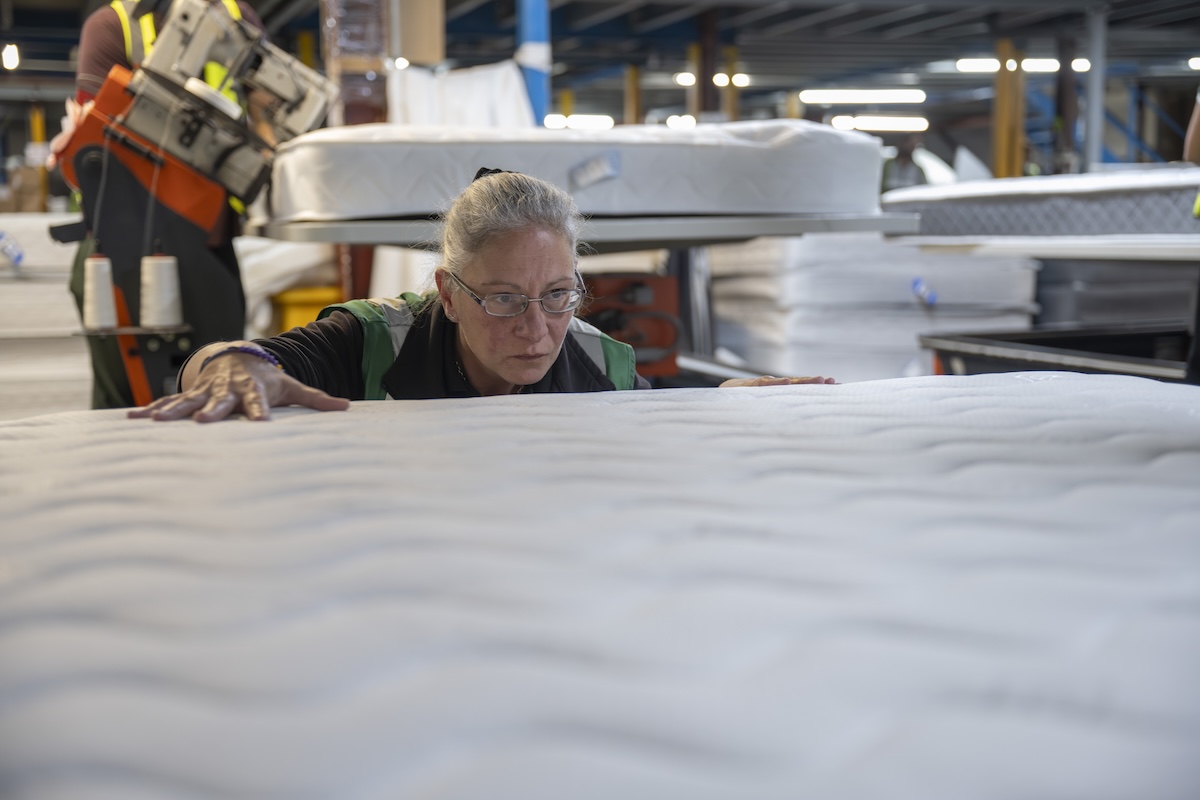
Britain’s small businesses are navigating one of their toughest trading environments in recent years. Rising costs, tighter consumer spending, and increasing pressure on margins are forcing many independent manufacturers and retailers to rethink how they grow. For some, finding the right sales channel is proving to be a turning point.
That has been the experience of two British businesses operating in very different sectors: Yorkshire-based mattress manufacturer The Sleep People and Scottish home and garden retailer Marco Paul. Both turned to Temu as a new route to market, and both found growth opportunities that extended far beyond increased sales.
For The Sleep People, growth meant expanding access to customers at home and abroad. Founded in 2014, the 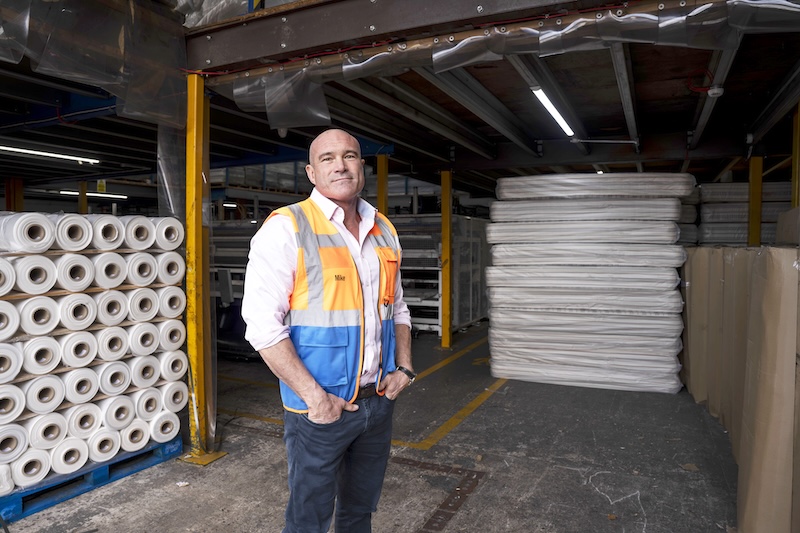 family-run business manufactures mattresses and bedding under brands including The Foam People, Extreme Comfort, and Starlight Beds. From its Yorkshire factories, the company produces more than 1,400 mattresses a day and has annual turnover exceeding £20 million.
Despite its scale, the business faced mounting pressure from rising material costs, competition from low-priced imports, and broader cost-of-living challenges affecting UK consumers. With traditional routes to growth becoming more difficult, Temu offered access to a broader customer base.
Sales rose 27% within three weeks of launching on the platform earlier this year. That increase enabled The Sleep People to add staff in Yorkshire and develop a new training and jobs programme for armed forces veterans.
The additional growth also helped strengthen the company’s wider community commitments. Over the past year, The Sleep People has donated more than 500,000 food items to local food banks and thousands of mattresses to households in need, alongside partnerships with disability charities.
“We had the production capacity and the quality, but reaching new customers through traditional routes was getting harder,” said Mike Worden, managing director of The Sleep People. “Temu gave us access to a much broader base of shoppers.”
For Marco Paul, the opportunity initially looked much smaller: simply clearing surplus stock.
The West Lothian-based home and garden retailer had built strong sales during the pandemic, but as lockdown 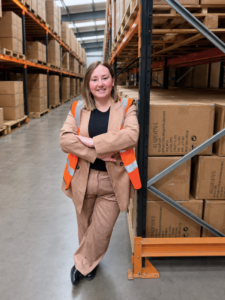 restrictions eased, consumer demand shifted and excess inventory became a growing challenge. Managing director Caitlin Barrett joined the business in 2022 and quickly began exploring new ways to reach customers.
Marco Paul joined Temu’s local seller initiative in February, fulfilling orders from its 100,000-square-foot warehouse in Broxburn. What started as an effort to move post-pandemic stock soon developed into one of the company’s strongest revenue streams.
Within months, the business had completed more than 11,000 sales through the marketplace. Today, Temu ranks among Marco Paul’s top five revenue streams out of 20 sales channels contributing to the company’s £15 million annual turnover.
“We didn’t expect Temu to take off in the way it did, to become one of our top sales channels within a year is incredible,” said Caitlin Johnstone, E-Commerce Lead at Marco Paul.
The additional revenue created opportunities to invest directly in employees. Marco Paul became a Living Wage Accredited Employer and took on an additional apprentice, reflecting the business’s commitment to reinvesting growth into its workforce.
“Becoming a Living Wage Accredited Employer is something we are really proud of,” Johnstone said. “We worked really hard for that accreditation and it genuinely is extra revenue streams and launching on a new platform like Temu that drives profitability a little bit higher and allows us to be able to do that.”
Though their businesses operate in different industries, both companies demonstrate how new routes to market can create more than commercial growth. Increased sales have enabled each business to invest in people, whether through job creation, skills development, higher wages, or community support.
In a difficult market, growth can mean more than improving the bottom line. For businesses like The Sleep People and Marco Paul, it can provide the foundation for long-term investment, stronger communities, and renewed confidence in the future.