
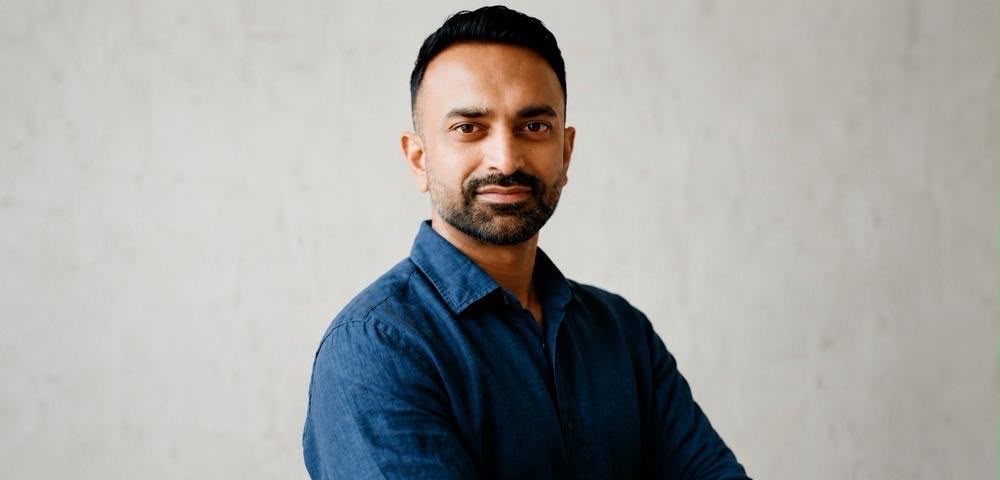
As digital commerce becomes increasingly shaped by AI, automation and anonymous online interactions, knowing who you are dealing with has never been more important. Josh Rathour, founder of UNiDAYS, explains why verified identity is evolving from a compliance requirement into a competitive advantage for brands.
Trust has always been the foundation of commerce, but in today’s digital world, trust is often assumed rather than proven. I first became aware of this when, years ago, my daughter was using a popular entertainment platform, and it became clear that multiple unverified people could access services intended for a younger audience. As a parent, that raised serious concerns. As an entrepreneur, it also raised another bigger question: if companies cannot verify who their customers are, how much value are they losing?
For the past two decades, the digital economy has been built around one objective: growth. Businesses have competed to acquire more users, drive more engagement, and generate more transactions. That strategy has created some of the world’s most valuable companies.
But the rules are changing.
AI is making it easier than ever to create content, automate interactions and imitate people online. Bots are becoming more sophisticated, deepfakes more convincing, and anonymous accounts more prevalent. At the same time, AI assistants are beginning to search, recommend, and even purchase on our behalf. The concerns raised by my daughter’s experience online have only grown more focused.
It’s for this reason that I believe that, in this next iteration of our online lives, the most valuable asset won’t simply be attention. It will be trust. I believe we are entering the Trust Economy.
Historically, humans have relied on trust marks for centuries. Royal wax seals authenticated official documents or letters, merchant guild symbols signalled quality and provenance, and later, recognised brand names helped consumers make confident choices. These signals worked because they provided assurance about who was behind a product, service or message. But in today’s digital world traditional trust marks are no longer enough. In a landscape shaped by AI-generated content, VPNs, bots and anonymous accounts, trust must be built into the product itself. Verification is becoming the modern equivalent of the wax seal: a clear, reliable signal that someone is who they claim to be.
The fundamental challenge in this new trust economy is creating scale. One verified person is useful, but you need millions of verified people to create a trusted ecosystem. Communities
thrive when participants know they are interacting with genuine individuals who have legitimate credentials. But the benefits go beyond communities – brands, which place so much stock in assiduously courting and creating loyal follower bases, can benefit from higher engagement, lower fraud and stronger customer relationships.
We’ve already seen the consequences of getting this wrong. Social media platforms continue to grapple with misinformation and fake accounts. Their inability to reliably establish identity and credentials online has led to declining public trust.
The good news is that we can do better.
Prompted by that early experience of being concerned for my daughter’s safety online, and the subsequent questions it raised, I founded UNiDAYS in 2011 with my co-founder, Jon Hawley. Since day one, we’ve spent years building trusted verification systems for our global student and brand community around the world. What began as a way to confirm student status has evolved into a broader lesson about trust at scale – we now have over 23 million verified people on our platform, creating confidence for our users, businesses, and communities alike.
Governments, platforms, and businesses all have a role to play in supporting this new trust economy. But success won’t come from simply adding more checks or collecting more data. It will come from creating systems where people can prove who they are, what they are entitled to access, and which communities they belong to – securely, privately and at scale, in as frictionless a way as possible.
Young people, in particular, stand to benefit. They are growing up in a digital world where identity, content, and credentials increasingly overlap. We have an opportunity to build something better: an internet where trust is earned, verified, and portable.
The brands that win in the trust economy won’t just have the best products. They’ll be the ones that prioritise verification to create the most trusted environments for their customers.