
While AI adoption is rising, only 10% of AI-using businesses report using the technology extensively, suggesting that most organisations are still using AI to support existing work rather than replace it.
Frances Li, Founder and Director of Biscuit Recruitment, believes the conversation should move away from asking which jobs are “AI-proof” and instead focus on the skills and responsibilities that still need a person behind them.
“I’d be careful about calling any career completely AI-proof. There are very few jobs where technology won’t change something about the way we work,” Frances says.
“But there’s a big difference between AI being able to complete a task and being able to do the whole job. A tool might be able to analyse information or produce a first draft, but can it understand the person in front of it, react when something unexpected happens and take responsibility for the decision?”
“For me, that’s where the conversation gets more interesting. AI can take away some of the repetitive parts of a role, but that doesn’t necessarily mean we need fewer people. It can mean people spend more time doing the parts of their job that actually require their experience and judgement.”
Below, Frances looks at five areas of work where human skills remain particularly important, and what workers can do to make sure they continue to add value as AI becomes more widely used.
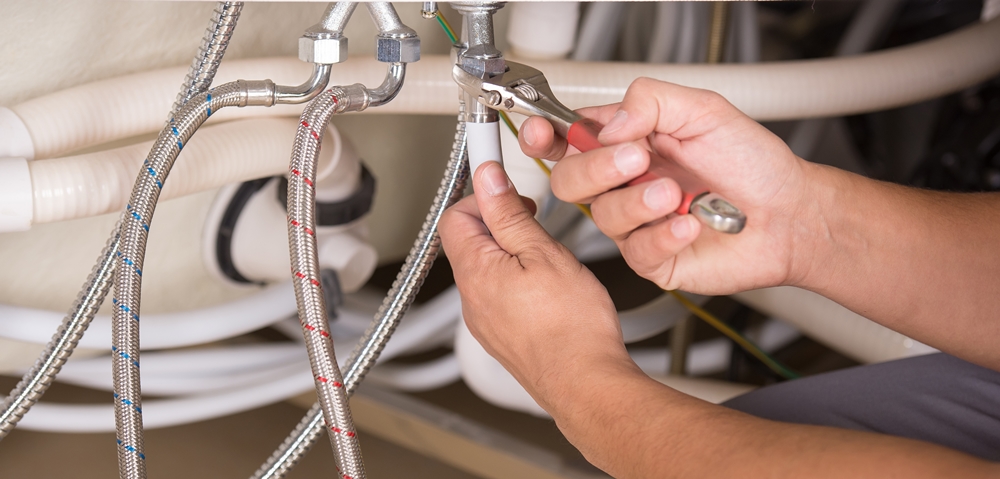
1. Skilled trades and field-based roles
“Skilled trades are a good example of work where AI can be useful, but it’s difficult to see it replacing the person doing the job,” Frances explains.
“Think about electricians, plumbers, builders, engineers and maintenance professionals. You can use technology to diagnose a problem, take measurements or organise the job, but the person still has to turn up and work out what’s actually happening in front of them.”
“Every site is different. You might open something up and find a problem that wasn’t obvious beforehand, or have to change the plan because the space, materials or safety conditions aren’t what you expected. That kind of practical problem-solving is difficult to standardise.”
How to futureproof the role:
“Tradespeople don’t need to be technology experts, but being comfortable with the tools that can make their work easier is going to help. Diagnostics, measurements, scheduling and customer communication are all areas where technology can save time.”
“The opportunity is really to take some of the admin away from the skilled person, rather than take the skilled person out of the job.”
2. Nurses, carers and therapists
“Healthcare and care roles involve a huge amount of knowledge, but they also involve trust, communication and being able to respond to the person in front of you,” Frances says.
“AI can help professionals find information, spot patterns or deal with some of the paperwork. That can be incredibly useful, particularly when people are under pressure. But caring for someone involves much more than getting the technically correct answer.”
“A patient might be frightened, confused or uncomfortable without being able to explain exactly why. A good healthcare professional has to notice those things and adapt their approach.”
“There’s also a level of responsibility involved. People need to know who is making the decision and who they can speak to when something doesn’t feel right.”
How to futureproof the role:
“Healthcare professionals should understand where AI can support their work and where it has limitations. The people who get the most from these tools will be the ones who use them to reduce some of the admin while still keeping the relationship with the patient at the centre.”
3. Teachers and early-years professionals
“AI is already very good at producing information, lesson ideas and educational materials, but teaching has never just been about delivering information,” Frances says.
“A teacher has to understand the people in the room. They need to know when a pupil isn’t following something, when the class has lost concentration or when there’s something else going on that is affecting how a child is behaving.”
“You can have a brilliant lesson plan on paper and still need to change it completely once you’re standing in front of a class. That ability to read the room and adapt is a huge part of teaching.”
“The same applies in early years. Helping children develop confidence, communication and social skills requires patience and an understanding of the individual child, not just the ability to deliver information.”
How to futureproof the role:
“Teachers can absolutely use AI to take some of the repetitive preparation off their plate. But I wouldn’t want technology to dictate how they teach. The real value comes from knowing your pupils and understanding when a standard answer isn’t going to work.”
4. Recruiters and HR professionals
“Recruitment is actually a really useful example of where AI can take care of a lot of tasks without replacing the whole role,” Frances says.
“We can already use technology to search CVs, write job descriptions, organise information and schedule interviews. All of that can save recruiters a lot of time.”
“But a CV doesn’t tell you everything about a person. It doesn’t necessarily tell you why someone wants to leave their current job, what kind of environment they’ll thrive in or whether the role they’re applying for is actually right for them.”
“A good recruiter will ask the question the candidate wasn’t expecting, pick up on something that doesn’t quite add up or recognise potential that isn’t obvious from a CV. Sometimes we’re also having a very honest conversation with someone about their confidence, their career or what they actually want next.”
“Those conversations are difficult to automate because they rely on trust. People need to feel comfortable enough to tell you what’s really going on.”
How to futureproof the role:
“Recruiters and HR professionals should get comfortable with the technology, because there’s no point fighting it. Use it for the admin and information gathering, then spend more time developing the skills that technology can’t easily replicate – interviewing, listening, challenging assumptions and making good judgement calls.”
5. Creative strategists and relationship-led advisers
“AI can produce ideas incredibly quickly, but having lots of ideas isn’t necessarily the difficult part,” Frances says.
“The difficult part is knowing which idea is actually right for the audience, whether it fits the organisation and what the business is trying to achieve in the first place.”
“That’s why I think people working in creative, advisory and client-facing roles should be careful about building their value around simply producing something. If AI can produce a first draft in seconds, the human value moves further up the process.”
“It becomes about asking the right questions, understanding the brief, spotting when something doesn’t feel right and being able to explain why one option is better than another.”
“The same applies to client advisers and consultants. Technology can help you prepare, but someone still needs to understand the client, earn their trust and have the confidence to stand behind a recommendation.”
How to futureproof the role:
“Don’t make your value the first draft. Develop the skills around it – strategy, judgement, accuracy, communication and understanding what people actually need.”
The four skills workers should strengthen now
Frances believes workers don’t necessarily need to become technology experts to remain valuable as AI becomes more common.
Instead, she recommends focusing on four areas:
- Practical AI literacy: “You need to understand what the tools are good at, how to use them properly and when you should question the answer. You don’t necessarily need to know how the technology was built.”
- Professional expertise: “Your own knowledge becomes even more important when AI is producing the first answer. You need to know enough about your subject to spot when something doesn’t look right.”
- Communication and relationships: “Being able to listen properly, explain something clearly, negotiate and build trust will continue to matter. These are skills people often underestimate because they aren’t as easy to measure.”
- Judgement and accountability: “Someone still needs to decide whether the answer is good enough, whether the information is reliable and whether AI should be used in the first place. Knowing when to question the technology is just as important as knowing how to use it.”
What employers should consider before replacing a role
“Before deciding that AI can replace a role, I’d encourage employers to break the job down into its individual tasks,” Frances concludes.
“They might find that technology can remove a frustrating piece of admin or speed up a process without actually removing the need for the person doing the job.”
“There’s also a bigger question around how people develop. If we automate every junior task, how does someone get the experience they need to become a manager, adviser or specialist later on?”
“For me, a good AI strategy should be about redesigning work, not simply reducing headcount. If we can use technology to take away the repetitive parts of a job, that gives people more time to focus on the judgement, relationships and problem-solving that actually add value.”
“I don’t think the future of work is about people competing against AI. It’s about people knowing how to use it well, while still being trusted to make the decisions that matter.”