

Close Menu
  • News
  • Home
  • In Profile
  • Finance
  • Legal
  • Technology
  • Events
  • Features
  • Wellbeing & Mental Health
  • Marketing
  • HR & Recruitment
  • About
  • Advertise
  • Events Calendar
  • Business Wall
  • Subscribe
  • Contact
  • 0843 289 4634
X (Twitter) LinkedIn YouTube
Trending
  • Your team’s brain runs on light. Here’s what the dark months do to it, and what a manager can actually change
  • What Should Your Finance Team Automate First?
  • Designing an online gift shop around how customers shop
  • Budget 2026 offers breathing space but SMEs question scope for growth
  • Paying the price for legacy tech?
  • When nursery days go wrong. An insurance expert identifies the claims they see most often
  • Derby apprentice Harrison named among best young tradespeople in the country
  • The 20 per cent rate looks safe. The rest of VAT isn’t.
X (Twitter) LinkedIn YouTube
SME Today
  • About
  • Advertise
  • Events Calendar
  • Business Wall
  • Subscribe
  • Contact
  • 0843 289 4634
  • News
  • Home
  • In Profile
  • Finance
  • Legal
  • Technology
  • Events
  • Features
  • Wellbeing
  • Marketing
  • HR & Recruitment
  • Travel
SME Today
  • About
  • Advertise
  • Events Calendar
  • Business Wall
  • Subscribe
  • Contact
  • 0843 289 4634
  • Twitter
  • LinkedIn
  • YouTube
  • RSS
You are at:Home»Features»Your team’s brain runs on light. Here’s what the dark months do to it, and what a manager can actually change
The human brain sets its internal clock by light, specifically by bright light reaching the eye in the morning. pexels-george-milton-7015115

Your team’s brain runs on light. Here’s what the dark months do to it, and what a manager can actually change

0
Posted By Greg Robinson on October 29, 2026 Features, Wellbeing & Mental Health

Every autumn, business owners notice the same thing. As the evenings grow longer and darker, the office feels flatter. People are slower to start, quicker to drift, and the 4 pm slump arrives at 3 pm. It’s tempting to put that down to mood or motivation. Most of it is biology, and it is easier to change than you might think. Dr Ramona von Leden, PhD, neuroscientist and scientific advisor to Neuronic, provides some advice.

What the dark actually does

The human brain sets its internal clock by light, specifically by bright light reaching the eye in the morning. That signal tells the body when to be alert and, roughly 14 to 16 hours later, when to release melatonin and wind down. In summer most of us get that morning signal without trying, from the early rising sun. From November to February, many people leave home while it’s still dark, sit under indoor lighting that is a fraction of the intensity of daylight, and leave work in the dark again. Our clock never gets a clear start to the day, so alertness, mood and sleep all lose their edge.

The days naturally get shorter as we move into winter, but the one-hour shift when the clocks change makes this normal seasonal transition more pronounced for a week or two. Research on daylight saving transitions shows temporary disruptions to sleep and cognitive performance in the days after a change, and a rise in errors and accidents [1, 2]. While the increased risk of workplace accidents is more consistently associated with the spring Your team's brain runs on light. Here's what the dark months do to it.
pexels-mart-production-7606069clock change, the findings highlight how sensitive our brains can be to even small shifts in our daily rhythms. Most people adjust within a fortnight, but the darker commute that follows can affect mood and motivation right through the winter.

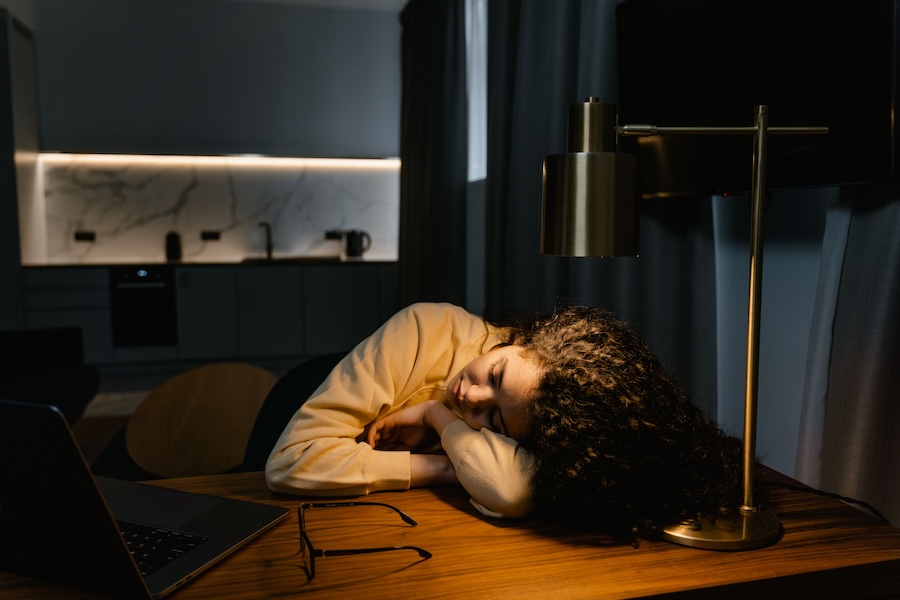
The effects you see at work are predictable: slower reaction times and more mistakes in the first hours of the day, a bigger afternoon dip, shorter tempers, and more people reporting that they feel groggy or sluggish. A smaller group will experience seasonal depression that goes well beyond a slump. The practical steps below can support better mood, but they don’t replace proper care for anyone experiencing persistent low mood or depression.

Five things a manager can change

1. Make morning light a mandatory part of the workday for your team. The single most useful intervention is 20 to 30 minutes of outdoor light early in the day, even when it’s grey. Overcast daylight is still many times brighter than a lit office. A walking meeting at 9am, a standing agreement that the first call of the day happens on a headset outdoors, or simply protecting the 15 minutes before people sit down will set a more active tempo for the whole day.

2. Schedule the difficult work for mid-morning. Alertness peaks a few hours after that first light. Put the work that needs judgement, creativity or careful attention between 10am and 1pm, and move routine admin and meetings that don’t need much from anyone into the afternoon dip.

3. Fix the lighting where people actually sit and work. If a desk is far from a window, a daylight-spectrum lamp used for the first hour of the morning helps. In the afternoon do the opposite: dimmer, warmer light from about 4pm, and screens turned down, so the brain gets a clear “evening” signal and sleep improves. Encourage blue-light filters or glasses for heavy screen work after lunch, as afternoon blue light disrupts the normal evening wind-down of our circadian rhythm.

4. Build in novelty. Winter days blur because the brain is getting the same low-contrast input every day. Small changes make a big difference: a new room for the weekly meeting, a different route in to the office, a new side project to work on for an hour. It sounds trivial, but the brain treats novelty as a signal to pay attention, and attention is the resource you’re short of in January.

5. Protect sleep, and say so out loud. Late emails, early starts and the midwinter social calendar all erode it. A manager who makes it clear that nobody is expected to reply after 7pm, and who keeps to that rule themselves, changes behaviour faster than any policy document. Consistent wake times matter more than total hours. Better sleep will have the biggest impact on productivity.

What about the gadgets?

I’m often asked about the light devices now sold for the home, from SAD lamps to the near-infrared helmets I work on as a scientific advisor to Neuronic. Bright-light therapy in the morning has a reasonable evidence base for helping with seasonal low mood. Near-infrared light to the brain has a well-understood mechanism and early, encouraging findings on attention, processing speed and sleep. None of it replaces the five steps above, however. Daylight, timing, sleep and a bit of novelty cost nothing and work for everyone.

The dark months are not a motivation problem. They’re a light problem. Address the root cause and watch the winter slump lighten up.

References

[1] Labarca G, Henriquez-Beltrán M, Sanhueza R, et al. (2024). Impact on health outcomes associated with changing the clock 1 hour during fall and spring transitions in the Southern Hemisphere. Journal of Clinical Sleep Medicine, 20(6), 887–893.

Share. Facebook Twitter Pinterest LinkedIn Tumblr Email

Related Posts

Lack of employer knowledge of mandatory Menopause Action Plans

The Real Challenge for SMEs Is Turning Plans Into Progress

Research shows early benefits of British Business Bank’s Nations and Regions Investment Funds for UK smaller businesses

Comments are closed.

Follow SME Today on Linkedin and share all the topics you find interesting
Porsch Reading – Find Your Perfect Business Partner
Mastermind9
Events Calendar
    November 26, 2026 10:00 am

    South West Expo Swindon

    December 1, 2026 10:00 am

    North West Expo Manchester

  • Marketing
October 29, 2026

Designing an online gift shop around how customers shop

October 27, 2026

Autumn Budget Analysis In The AI Era

  • Finance
October 29, 2026

What Should Your Finance Team Automate First?

October 28, 2026

Paying the price for legacy tech?

  • People
October 27, 2026

Derby apprentice Harrison named among best young tradespeople in the country

October 8, 2026

TV Antiques Expert Izzie Balmer Joins The Team At RWB Auctions

  • Health & Safety
August 18, 2026

Employers Warned Not To Delay Vital Safety Training Ahead Of Employment Law Change

July 21, 2026

Loo Of The Year Awards Named Finalist In Prestigious European Industry Awards

  • Events
August 13, 2026

Entries extended for the awards putting solo female founders on a stage of their own

June 29, 2026

Great British Expos Postpones South West Expo Due to Extreme Heat Forecast

  • Community
October 1, 2026

Celebrating the over-50s building what’s on everyone else’s doorstep this International Day of Older People (IDOP)

September 1, 2026

The £1.1bn impact of tackling food waste

  • Food & Drink
October 6, 2026

Allergy Campaigner Welcomes New Law To Keep Children With Food Allergies Safe At School

September 21, 2026

Northern Pasta Co. Took On The Dragons

  • Books
August 24, 2026

Leadership Amid ‘the Perfect Storm’: Expert Shares Fundamentally Different Approach

August 13, 2026

Independent British Author Reaches No.1 on Amazon & Donates Profits to Charity

The Newsletter

Join our mailing list for the best SME stories, handpicked and delivered direct to your inbox every two weeks!

Sign Up
About

SME Today is published by the same team who deliver The Great British Expos’. We have been organising various corporate events for the last 10 years, with a strong track record of producing well managed and attended business events across the UK.

Join Our Mailing List

Receive the latest news and updates from SMEToday.
Read our Latest Newsletter:


Sign Up
X (Twitter) YouTube LinkedIn
Categories
  • Books
  • Business
  • Community & Charity
  • Education and Training
  • Environment
  • Events
  • Features
  • Finance
  • Food and Drink
  • Health & Safety
  • HR & Recruitment
  • In Profile
  • Legal
  • Marketing
  • News
  • People
  • Property & Development
  • Sponsored Content
  • Technology
  • Transport, Travel & Tourism
  • Wellbeing & Mental Health
Magazine Information
  • About SME Today
  • Editorial Submission Guidelines
  • Advertising
  • Privacy
  • Contact
  • Editorial Complaints Policy
Copyright © 2026 SME Today.
  • About SME Today
  • Editorial Submission Guidelines
  • Advertising
  • Privacy
  • Contact
  • Editorial Complaints Policy

Type above and press Enter to search. Press Esc to cancel.

Subscribe Now!

Sign up for a FREE subscription and receive the latest news, features and updates from SMEToday:

I am interested in:
 

Thank you for subscribing to SME Today! We're thrilled to have you join our community. To complete your subscription, please check your email and click on the confirmation link. If you don’t see the email in your inbox, be sure to check your spam or junk folder. We look forward to sharing exciting news, updates, and exclusive content with you!

Join our mailing list to receive the latest news and updates from SMEToday
Read our Latest Newsletter: