
By Daljeet Kaur, Chief Operating Officer at Valda Energy
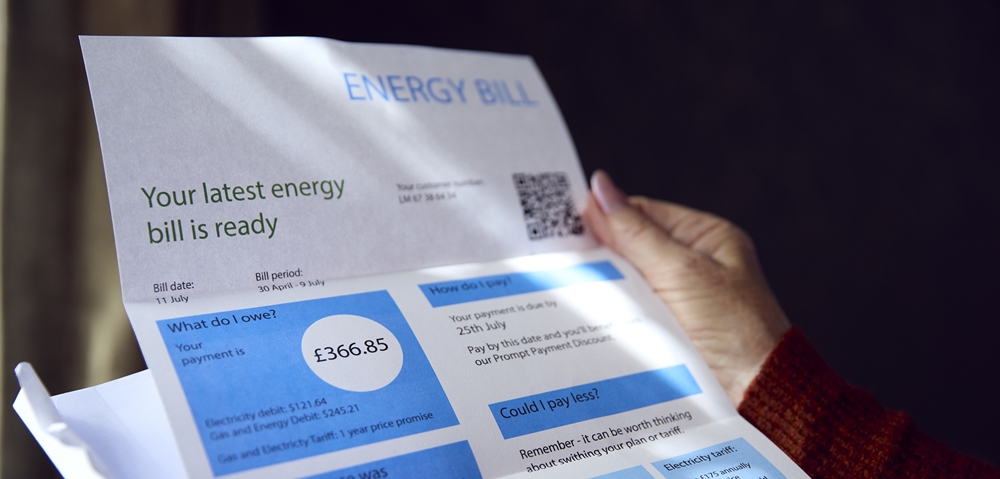
One in seven UK businesses doesn’t fully understand what makes up their energy bills. That’s not just an inconvenience; it’s a direct risk to profitability.
According to Ofgem’s 2025 research, more than half of UK businesses (53%) have low energy literacy, and these owners with less understanding of energy are much more likely to struggle with payments. When you’re already handling rising National Insurance contributions, inflation pressures, and tight margins, the last thing you need is to overpay for power because you couldn’t decode your contract.
But that’s exactly what’s happening. More than a third (37%) of micro businesses believe business energy has the same terms and conditions as domestic energy – a common misunderstanding that can cost thousands. The energy price cap doesn’t apply to business contracts. Standing charges work differently. Contracts with different consequences and no cool-off periods.
These aren’t minor details. They’re the difference between a competitive energy deal and getting locked into unsuitable terms for years.
Where does the confusion happen?
Our new research*, which examined 75,000 online conversations, gives us some eye-opening insights into which energy terms often trip up UK business owners. The term “kilowatt-hour” (kWh) is the biggest source of confusion, even though it’s on every energy bill and contract. Heat pumps, green energy, and GB Energy are also right up there, causing some understandable mix-ups.
Standing charges are also among the top 15 confusing terms – the fixed daily cost that continues regardless of your energy use. Many business owners aren’t aware that these charges can vary widely between suppliers, or that there’s often room to negotiate on some contracts. It’s money leaving your account every single day, regardless of whether you’re even trading.
Interestingly, the switching process also causes confusion. Unlike domestic energy, switching a business account depends on your contract. Fixed-term contracts often require business owners to negotiate a new agreement once the term ends, which can easily be overlooked amidst the many other tasks they manage. Miss that, and you’ll be rolled onto your supplier’s out-of-contract rates. If you are out of contract, then no notice is required, and you are free to leave at any time.
Why this matters now
Energy terminology isn’t getting simpler. If anything, it’s accelerating. Net Zero policies, Transmission Network Use of System (TNUoS) charges coming in April 2026, Climate Change Levy changes – each new policy brings another layer of terminology that the industry assumes you understand.
You’re expected to make informed decisions about fixed periods, understand pass-through charges, compare unit rates across different meter types, and decipher what it all means for your day-to-day operations and the bottom line.
The result? Businesses are either paralysed by complexity and stick with their current supplier at any price, or they make uninformed decisions that cost them later. You shouldn’t need an energy degree to manage your bills, but until the industry simplifies its language, here’s what can help:
-
Ask your supplier to explain any term you don’t understand and how it will affect you. But if you’re looking for a quick, simple definition, then check out helpful online energy glossaries, as these should keep language accessible.
-
Check your contract renewal date and set a reminder for 3-4 months before it ends. This gives you time to compare your options and understand policy wording before renewal deadlines. Suppliers will also send notifications, so watch out for these as they can be easily missed.
-
Spend 10-15 minutes understanding all your charges. Since 2022-23, most distribution and transmission costs have moved to fixed daily charges based on your site’s capacity or consumption. So, it’s worth understanding your associated energy costs and feeling confident in tracking your bill’s breakdown.
Remember, business energy is a bit different from home energy. The price cap doesn’t apply here, and fixed-term contracts have their own rules. It’s always good to stay informed so you can make the best choices for your business.
What can the industry do to support?
The core energy literacy challenge shouldn’t rest solely on business owners upskilling in energy definitions. Energy suppliers and intermediaries must also be responsible for clear communication.
The industry really needs to agree on a standard way to present information. Right now, each supplier has its own way of formatting bills, using different words for the same charges, and organising contracts differently. This can make it very hard for small and medium-sized businesses to compare their options easily.
As trusted suppliers, we should always proactively explain to customers what’s changing and why, with the audience in mind. When TNUoS charges shift in April 2026, a technical policy update isn’t enough – explaining what it means for a typical café or garage could really help bring it into perspective.
Clearer language doesn’t just support business owners’ knowledge; it should help reduce complaints, cut unnecessary time (that SME owners are already short on!) spent speaking to customer services, and hopefully, mean fewer people end up on expensive contracts because they didn’t understand their renewal date.
One in seven businesses not understanding their energy bill isn’t acceptable. Neither is the fact that half of UK businesses have low energy literacy. This is a solvable problem if the industry can come together and decide that clarity and standardisation matter more than jargon.