
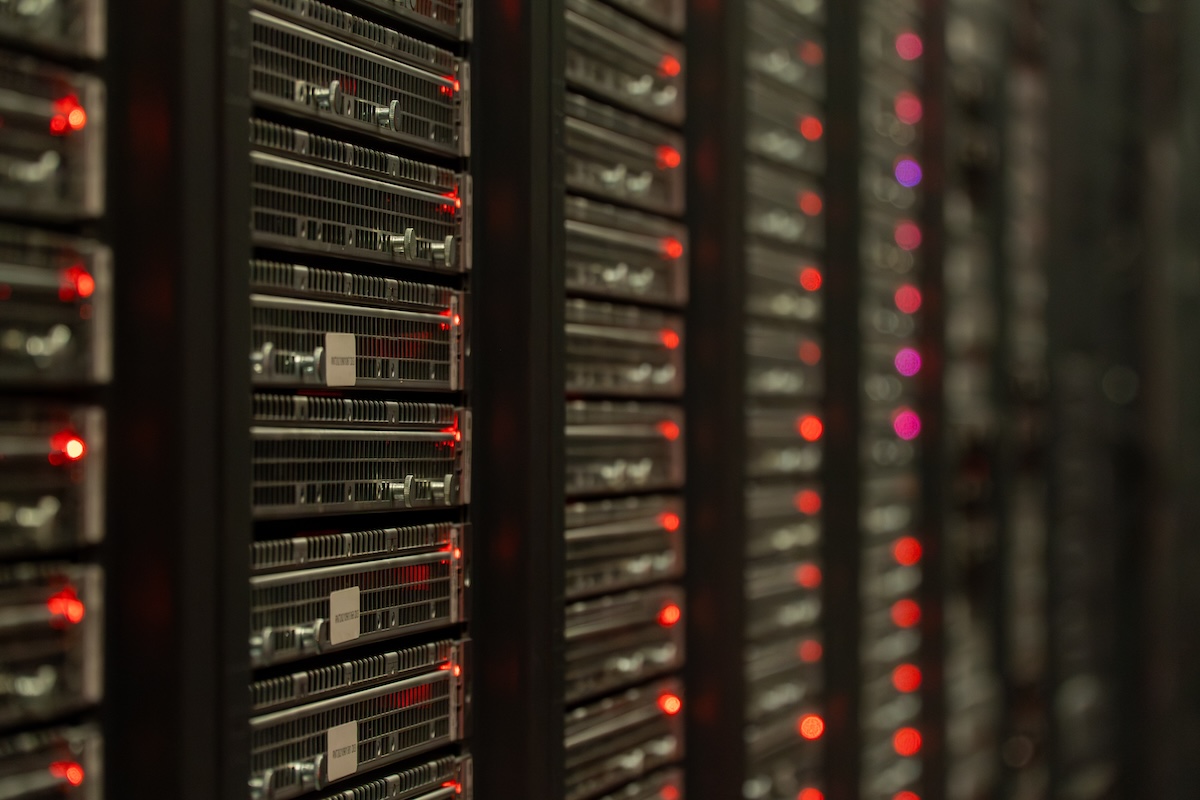
As a business, where you keep your data matters. It determines how safe your customer data and sensitive information is, and how well protected you are against potential cyberattacks. It’s also vital to make your data is stored in a legally compliant manner, and that data and documents are easy to recover if you were to experience any IT-related issues.
As such, many businesses are migrating company data and critical parts of their IT infrastructure to the cloud. In fact, the amount of corporate data stored in the cloud has at least doubled since 2015, with around 60% of corporate data now being stored in the cloud. As such, it’s increasingly important to know the distinction between the servers that look after your information.
Below Gary Bliss, Cloud Solutions Consultant, at Fasthosts ProActive explores the different data centre standards and how you can best protect your data in an increasingly online-driven economy.
Where does your data go?
Instead of saving files or running software on your own device, the cloud allows businesses to access resources 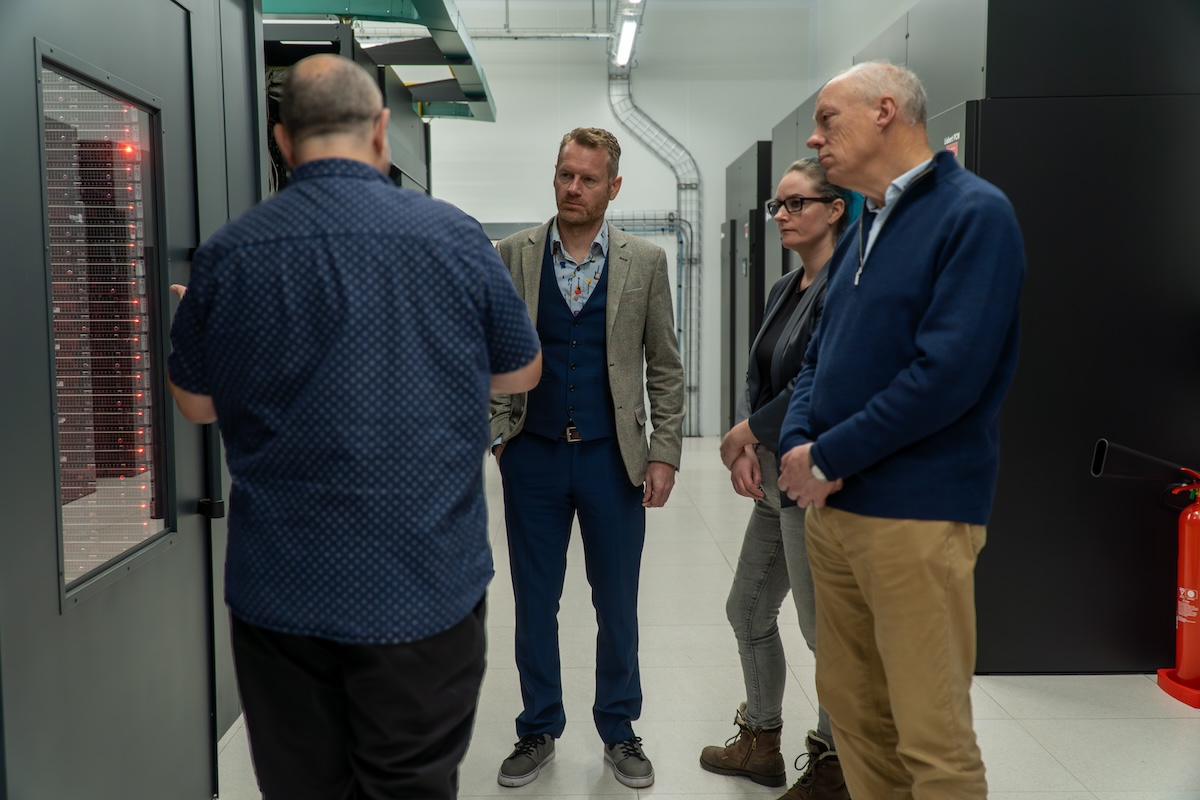 over the internet. It makes it convenient to store and retrieve data, run applications and perform various computing tasks, without needing to rely solely on your device’s capabilities.
When you use the cloud, data is stored on servers that are typically located in large data centres, which are owned and maintained by cloud service providers. The data centre is one of the first building blocks of the cloud, so knowing your cloud solution’s data centre is certified by the highest standards of security is an important factor when deciding where to go.
Ensuring the safety of hardware is a major concern for decision-makers and executives. After all, the cost of downtime for any business can be crippling and sometimes fatal. Shockingly, 50% of all businesses don’t have the budget to recover from a data breach, so having a certified data centre is a critical first line of defence. Additionally, for data centres, standards, tiers and certifications are voluntary – not mandatory. This makes it even more important for SMEs to look out for a reliable provider that’s transparent about which tier its data centre belongs to.
What is the Tier Classification Standard?
Data centre tier classification systems help businesses to understand how protected they are. It provides information about the data centres’ fire safety, fault tolerance, maintenance, physical security and uptime. There are a number of nationally and internationally recognised standards used for ensuring these factors and they are broken down into different tiers. In essence, having the highest tier (which is a Tier IV) data centre behind you means you’re more likely to have high uptime and better security and reliability.
The best standard to go by is the Tier Classification Standard, which is issued by the Uptime Institute. This classifies data centres using a hierarchical system. The four tiers indicate where a data centre stands regarding uptime, security and redundancy. The factors determining the tiers are:
- Performance – standards are performance-based, meaning any solution that meets the requirements for availability, redundancy and fault tolerance is acceptable.
- Technology-neutral – tiers are classified without being tied to specific technologies due to advanced technologies consistently disrupting the digital transformation landscape.
- Vendor neutral – the tier of a data centre is determined only by its capabilities, not the brand of technology used.
The tiers outline external factors, such as connectivity and the hierarchy of data centres in international networks, and internal factors, such as security measures and data centre downtime. The system is progressive, meaning that each higher tier also includes the requirements of the tiers below it.
Here’s a more detailed look at the requirements for each data centre tier.
Tier I data centres:
- No redundancy
- Single path for power and cooling
- No fault tolerance, not concurrently maintainable
- Limited cooling capacity – 220-230 watts per square metre
- Expected 99.67% uptime (maximum 28.8 hours of downtime per year)
- Protects against disruptions from human error.
Tier II data centres:
- Partial redundancy for cooling and power
- One path for power
- Low fault tolerance, not concurrently maintainable
- Simple cooling capacity – 430-540 watts per square metre
- Expected 99.75% uptime (maximum 22 hours of downtime per year)
- Suitable for simple IT processes that require good performance, but aren’t mission critical. Not used very often.
Tier III data centres:
- Reliable redundancy for different components – two servers, multiple paths for cooling and power
- Good fault tolerance, concurrently maintainable
- Good cooling capacity – 1,070-1,620 watts per square metre
- Expected 99.98% uptime (maximum 1.6 hours of downtime per year)
- Recommended minimum level for businesses with high standards for seamless IT processes, e-commerce, and mission-critical processes.
Tier IV data centres:
- Complete redundancy for all parts of the system, including power and cooling
- Very high fault tolerance, no single points of failure
- Very good cooling capacity – over 1,620 watts per square metre
- Expected 99.999% uptime (maximum .8 hours of downtime per year)
- Suitable for everyone, including large companies with internationally connected computing networks, 24/7 system availability, and highly mission-critical IT processes
- Provides the greatest level of assurance for your business.
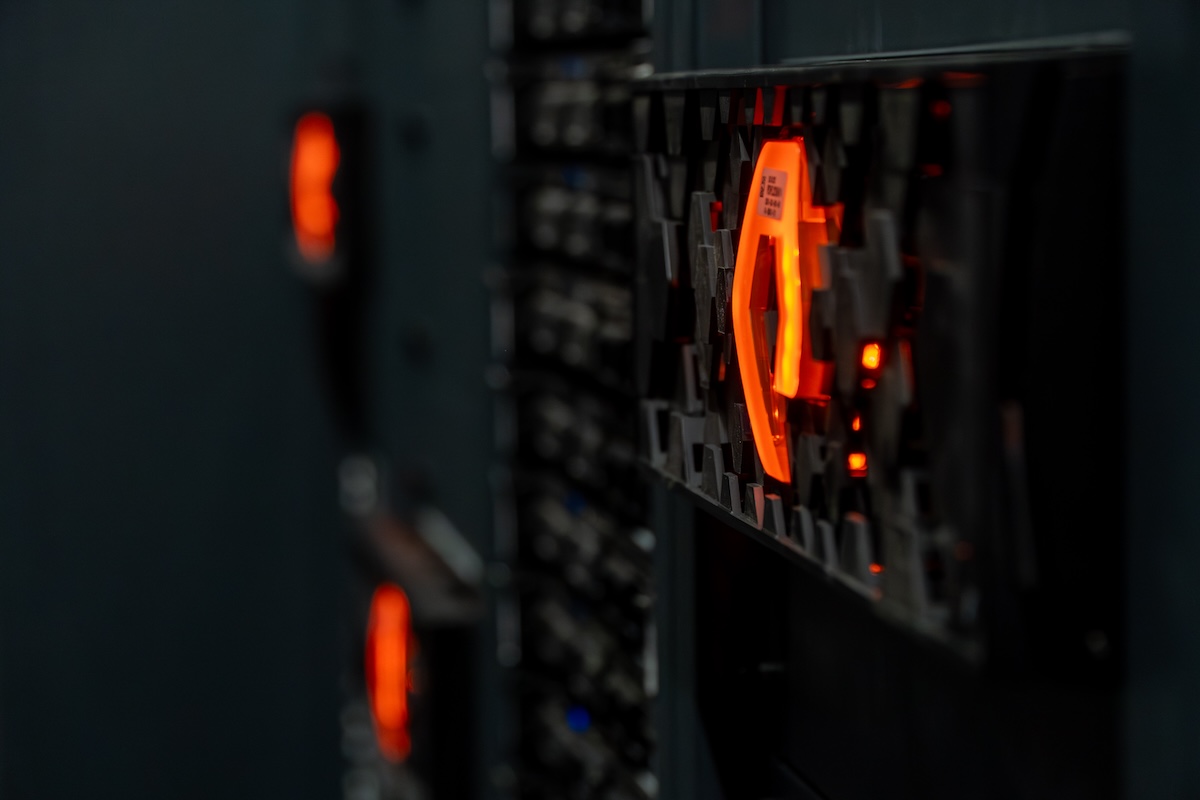 Ensuring your cloud service provider has a Tier IV data centre, therefore, is vital, as you won’t have to worry about any form of physical harm coming to the servers that are holding your data. Tier IV data centres tend to be protected by secure fencing, constant security personnel, as well as fire safety measures, like fire-rated doors and early fire detection systems, in order to avoid any breaches or accidents that may cause damage and impact your ability to retrieve data. This is exceptionally important if SMEs are looking to expand and want to avoid excessive downtime in the process.