
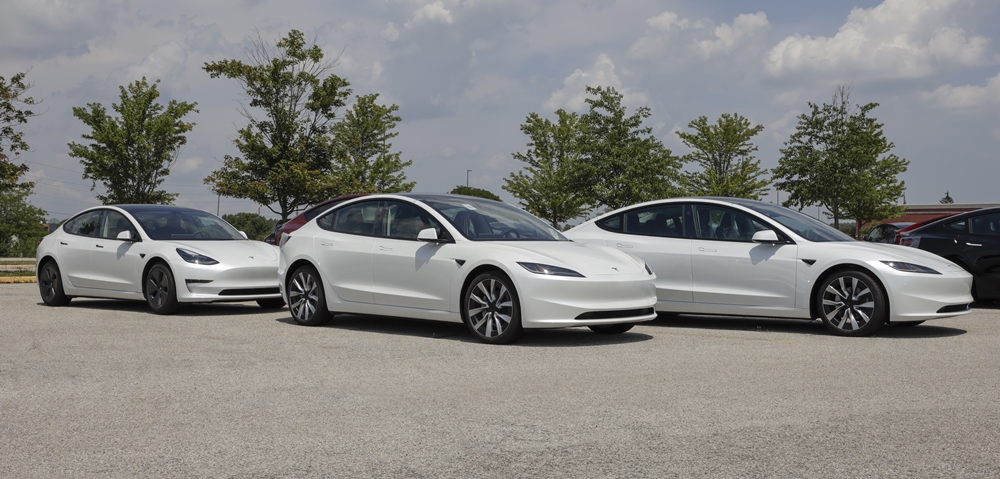
Tom Bloor, managing director of Manchester-based EV-charger company evec discusses why many more tax breaks and other incentives around electric charging are needed if government targets for EV ownership are to be reached.
The car market is going through some huge changes. Sales of petrol and diesel cars are down by between -14.2% and -20.5%, year-on-year, for fleets and private use, while sales of battery EVs grew by 24.5% to reach a 20.7% share of the market.
There were almost 300,000 new BEVs on the road in 2024, which is very encouraging, but it’s not all good news – this is way short of the government target of 28% of new vehicles being electric by the end of 2025.
The Society of Motor Manufacturers & Traders and several car manufacturers have called for new measures from the Government, including new subsidies for buyers of used electric cars and halving VAT on new models, to stimulate demand. If the industry is to increase uptake, then similar incentives need to be extended to EV charging for domestic, fleet, and other commercial users.
The new Budget stated that company car tax for EVs will rise to 9% by 2029-30, compared to up to 39% for petrol and diesel vehicles. There will also be £200 million of investment in the UK charging infrastructure in 2025/26 and £120 million set aside to support the purchase of electric vans. But these measures won’t mean the government will hit its targets, especially as road tax for EVs will be the same as other cars from April 2025.
There are several new or enhanced charging incentives the government could develop to motivate fleets and private buyers to go electric. Firstly, the government could extend the size and scope of grants for businesses to help them install EV chargers. The financial assistance under the Workplace Charging Scheme and infrastructure grant for staff and fleets is capped at £350 per socket. Given that the average cost of installing an EV charge point is more than £1,000, this leaves businesses with a large amount of money to find. If they are trying to convert a substantial company car fleet to EVs, the cost will be very high indeed.
For organisations requiring rapid charging of frequently used company cars, say for salespeople or delivery drivers or charging of trucks and other larger vehicles, a DC charging point is a good option. But these can cost more than £30,000, so a £350 grant is just a drop in the ocean. Fleet operators or their clients who are installing several EV charging points need to be given not only far better grants but tax breaks as well.
But, to create a system where fleet operators are drawn towards buying EV vehicles, the government needs to extend installation grants to all house and flat owners, too. At present, government help is only available for flat owners, landlords, house renters with off-street parking or owners with on-street parking – and is also capped at £350 per socket. While some fleet cars can be charged solely at work, for staff who are travelling around the country demonstrating products, say, or those with long commutes, the need to charge at home is essential. The more people who buy an EV because home charging is accessible, the cheaper EVs will become, too, making them a much better option for commercial and private buyers.
Similarly, substantial subsidies and tax breaks for companies installing public, rapid-charging sites at motorway service stations and other public locations are essential. A commercial rapid-charging site may charge motorists up to 79p per kWh or more, compared to 10p per kWh for domestic charging. If the government can give operators more assistance, such off-putting amounts can be reduced. Indeed, fleet operators may even be able to generate extra income by allowing the public to use their chargers when and where possible. There could certainly be substantial demand: at present, in the North West, there are just 53 public chargers for every 100,000 people.
For businesses whose cars are almost constantly on the road, the amount of public chargers really matters. The government needs to speed up charger connections to the national grid and make it easier for charger installation companies to get permission and permits to install chargers. The new government has promised to increase public charger installation but hasn’t provided any details as to how it will do it or if it will stick to the 300,000 targets decided upon by the last government.
Fleet and private EV users operating from rural or more remote locations will often struggle to find places to charge. Specific grants are needed to create more public charging stations in less-populated areas. There should also be increases in the payments to EV fleets and private users who charge for solar power and sell excess energy back into the National Grid.
Infrastructure considerations are also really important. As of July 2024, according to lobby group ChargeUK, there were 930,000 charging stations across the UK. The majority of these are in private homes and business premises, with only about 65,000 public chargers available.
For businesses that lack private parking space or residents who live in terraced houses, under-pavement channels for secure cable charging can be a huge help. But, at present, many local authorities refuse planning permission, perhaps due to unfounded safety fears or worries about disruption to other residents and businesses. Planners and officials should change their approach quickly.
There is a lack of clear government messaging to fleet operators about the benefits of going electric. A new advertising campaign aimed at business and private individuals would be very welcome.
Based in Salford, evec supplies and installs a wide range of commercial and domestic EV chargers for the public, organisations and businesses