
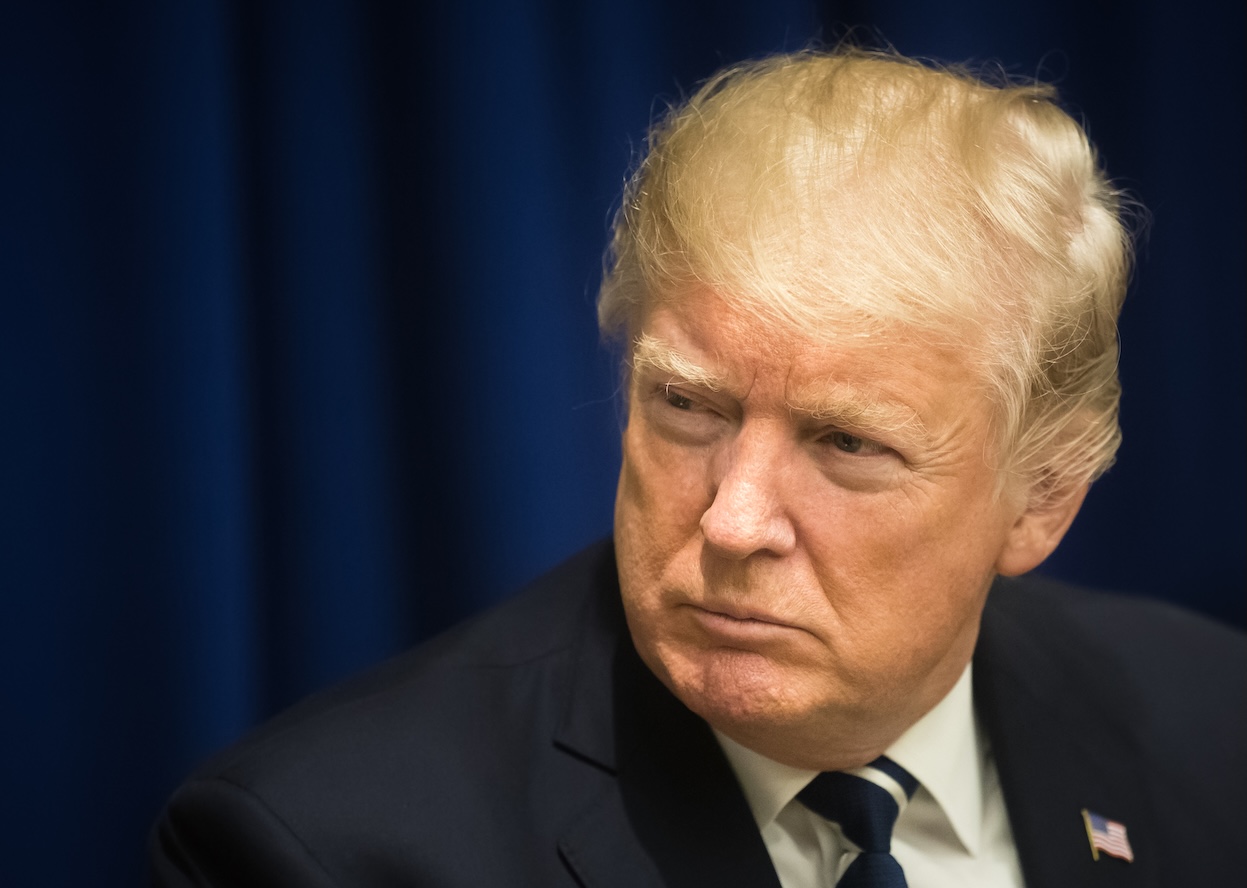
Donald Trump’s $10 billion defamation lawsuit against the BBC in a Florida court has captured global headlines. While the celebrity drama is big, the BBC’s Motion to Dismiss (filed 16 March 2026) is a masterclass in international jurisdiction. Dr Vasileios Adamidis, Associate Professor at Nottingham Law School explains why for small and medium-sized enterprises (SMEs), this case is a practical roadmap for managing risk when your content or products cross digital borders.
- The Jurisdictional Threshold: “Purposeful Availment”
The BBC’s main defence is that a Florida court has no personal jurisdiction over it. Under the 1945 Supreme Court case International Shoe Co. v. Washington, a company must have “minimum contacts” with the state before it can be sued there. The BBC says it has none. The Panorama documentary Trump: A Second Chance? was made only for UK viewers. It used GeoGuard technology to block anyone outside the UK from watching on iPlayer. The BBC has no offices, no staff, and no business licence in Florida.
SME Lesson: Simply being “accessible” online is not the same as “targeting” a market. Protect your business the same way the BBC did: use geo-blocking tools and clearly state in your Terms of Service which countries you serve. This simple step creates a strong jurisdictional shield.
- Third-Party Distribution and VPNs
Trump’s lawyers say Florida residents could still watch the film using VPNs or through the distributor Blue Ant  Media. The BBC’s answer is straightforward. US courts have long ruled that a user’s own choice to use a VPN is a “unilateral act” the company cannot be blamed for. The version sent to Blue Ant did not even contain the disputed edit. The 2002 case Young v. New Haven Advocate makes it clear: the publisher’s own actions must target the state.
SME Lesson: You are generally not responsible for how a single customer sneaks around your blocks. Keep clear records of your geo-blocking efforts and make sure every licensing contract spells out the exact countries allowed. These records are your best protection.
III. Statutory Barriers: The FDUTPA and “Actual Malice”
The FDUTPA Claim
Trump is also claiming $5 billion under Florida’s Deceptive and Unfair Trade Practices Act (FDUTPA). But FDUTPA only applies to business deals that happen inside Florida. The BBC iPlayer is a free public service paid for by UK licence fees; it is not sold to Florida customers. No Florida “consumer transaction” means no case under this law.
The “Actual Malice” Standard
Even if the court got past jurisdiction, Trump would face a very high bar. As a public figure, he must prove “actual malice” under the 1964 Supreme Court case New York Times v. Sullivan. That means showing the BBC knew the edit was false or acted with reckless disregard for the truth. The BBC has already admitted it was an “error of judgement”, apologised on air, and fixed the programme. In US law, an honest mistake is usually not enough to prove malice.
- The “Chilling Effect” and International Policy
The BBC warns that letting this case continue would create a “chilling effect”. Foreign media companies might stop reporting on US public figures just to avoid the huge cost of fighting a lawsuit in Florida. US judges do not want to become the world’s defamation courthouse, especially when the First Amendment gives strong protection to the press.
Conclusion: Key Takeaways for SMEs
The Florida court is widely expected to grant the BBC’s motion to dismiss. For any business operating internationally, the message is simple: borders still matter in the digital age.
- Audit your reach: If you don’t want to be sued in a country, don’t sell or stream there and use technology to block it.
- Strengthen contracts: Add clear indemnity clauses in every licensing deal so you are not held responsible for a partner’s mistakes.
- Document everything: Your good-faith efforts to stay out of a jurisdiction (like geo-fencing) are the strongest evidence you can show a judge.
In today’s global media landscape, knowing where you cannot be sued is just as important as knowing where you can.
Dr Vasileios Adamidis, Associate Professor at Nottingham Law School