
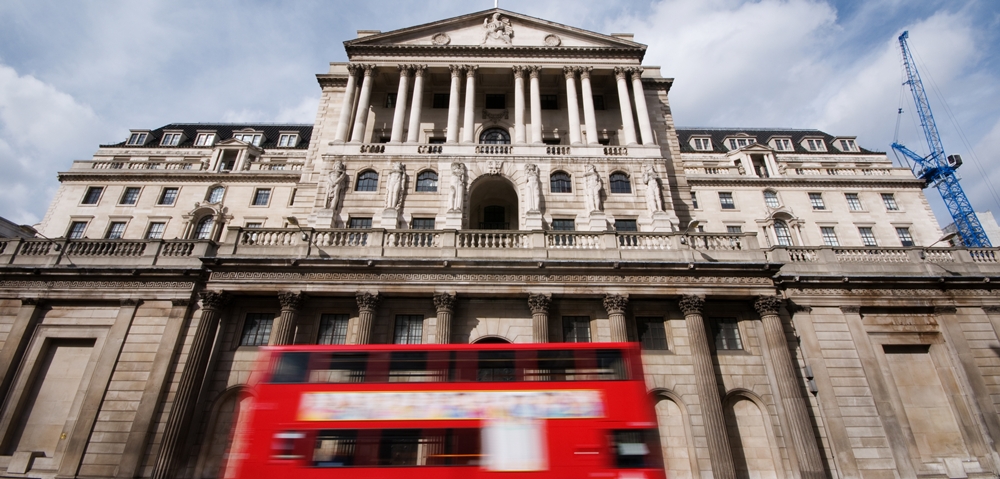
Last week the Bank of England raised interest rates for the first time in more than three years. Business groups and lenders warn that SMEs now face dearer credit on top of soaring costs.
On 5 November, the Bank of England raised the base rate by a quarter of a percentage point, from 3.75% to 4%. It is the first increase since 2023. The rise comes as energy and fuel prices push inflation higher again.
Jonathan Ashworth, chief economist at ACCA, said the decision was largely expected: “UK growth has proved surprisingly resilient – despite headwinds from the Middle East conflict, while inflation looks set to move above 4% over coming months. Against such a backdrop, it seemed highly likely the committee would opt to tighten policy to try and reduce the risks of persistent above-target inflation.”
He also warned that this may not be the last rise: “In the absence of a resolution of the Middle East conflict, the risk is for another rate increase in the first quarter of next year.”
Felt at work and at home
For Tina McKenzie, National Chair of the Federation of Small Businesses (FSB), the burden falls on owners who carry both business and personal debt.
“Today’s rate rise is a sobering reminder that the fallout from global turmoil is landing squarely on the shoulders of Britain’s small businesses. For a small business owner juggling a business loan, commercial mortgage and mortgage on their own home, the impact of higher interest rates is felt both at work and around the kitchen table.”
FSB figures show that many firms were already paying a premium before the announcement. “Two in five small business borrowers were already facing interest rates of 10 per cent or more last quarter, suggesting many lenders had anticipated a rise.
“On top of this, more than half (53%) of small firms cite fuel as their biggest rising cost, showing just how much pressure businesses are under before higher interest rates are factored in.”
Rob Keown-Boyd, CEO of SME lending fintech multifi, said the timing made matters worse: “This is the first rate rise in more than three years and it’s another hit for SMEs, just a week after the Budget which did little to ease the cost of doing business.”
A balancing act for the Bank
Ross McNally, Chief Executive and Executive Chairman of Hampshire Chamber, called the move “unwelcome news for businesses already grappling with higher energy prices and difficult trading conditions, but we recognise the need for decisive action to bring inflation under control.
“The challenge for the Bank is to strike the right balance. On one hand, interest rate hikes tend to rein in discretionary spending, so lowering customer demand, and it is small and medium-sized businesses who typically bear the brunt of that.
“On the other hand, if we can tackle inflation without adding unnecessary strain on borrowers, then it’s a step in the right direction that will help restore confidence.”
Access to finance, not just its price
Several lenders said the bigger risk is that firms stop seeking the funding they need. Keown-Boyd said: “Paying more to borrow is one thing, but for a lot of SMEs the real challenge is being able to access finance. Demand for working capital has been on the rise, with applications at multifi running around a third higher than this time last year. The worry now is that higher borrowing costs put businesses off getting finance when they need it most.”
Nick Smith, CEO of Reward Funding, shared that concern: “The danger is that SMEs become so focused on managing the immediate pressures that investment and growth take a back seat. That’s not good for individual businesses or the wider economy as a whole. We need to ensure that viable, ambitious businesses can still access the funding they need to invest, adapt and grow.”
Mike Randall, CEO of Simply Asset Finance, warned against rushed decisions: “With borrowing costs high and businesses already squeezed some may be put off investing, while others may feel pressure to access capital quickly. It is critical in times like these that businesses secure funding that works for them in the long term. Affordability and suitability must remain at the heart of SME lending.”
The FSB called on banks to respond. McKenzie said: “Banks have a vital role to play in helping small firms through this period.
“That means making credit more accessible, particularly overdraft facilities, which have become harder to come by in recent years. Small businesses need the flexibility to manage their cash flow, not fewer options when money is already tight.”
What it means for cash reserves
Firms with money in the bank may see some benefit, but Katie Horne, bank partnerships manager at cash platform Flagstone, said it is likely to be limited: “Banks have been building an anticipated hike into the rates they offer on fixed term savings accounts for several months now. A single 0.25% base rate increase isn’t expected to move fixed rates much further.”
She added: “For companies, a rate rise makes idle cash more expensive to ignore. Borrowing is already costly. The average new business loan rate was 6.55% in September, and a hike will likely push it higher before long.”
Andrew Prosser, Head of Investments at InvestEngine, cautioned savers against focusing on the headline figure: “There’s a catch. A higher interest rate doesn’t necessarily mean your money is growing. Inflation can quietly eat away at the value of savings, and even a seemingly attractive rate may deliver very little in real terms.”
Calls for government support
Hampshire Chamber wants the government to act alongside the Bank. McNally said: “To complement the Bank’s move, we call on the government to redouble its efforts to provide struggling firms with immediate packages of support while stabilising the wider economy and focusing on creating the conditions for sustainable, long-term growth.”
McKenzie also highlighted a longer-term trend: “Elsewhere, it’s worrying to see that there are 100,000 fewer SMEs in the UK economy than there were at the start of 2025. Entrepreneurship is essential to get the economy growing again.”