

Rebecca Sutherland, Investor, founder and CEO of Harbar Six provides SMEToday’s readers with some insight into the lessons she will be taking into 2026.
I led a pilot programme working closely with founders and business leaders who had the ambition and drive to grow but needed clearer direction to get there. Together, we stripped things back, reset priorities and rebuilt around what really fuels progress. Through hands-on teamwork, honest conversations, and tailored support, clear patterns kept coming up, both from these sessions and from my own journey scaling businesses.
These are the lessons I’m taking into 2026, and the ones that will genuinely move the needle for any company ready to level up.
Values are everything
Let’s start with what I believe is the most important objective for founders Iin 2026. Values. Knowing your values 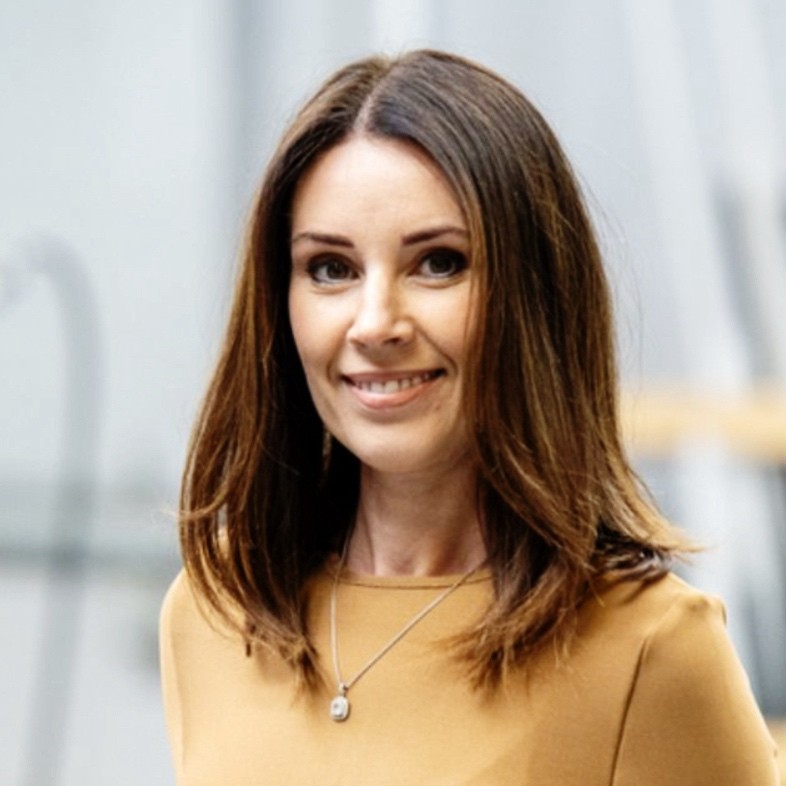 means you know yourself and what you stand for. They dictate how your business will be run and the types of people it will attract. For instance, having a dedicated team that collaborates across departments means you want people who are open to learning new skills and not limiting themselves to one area. Establishing the fundamentals of what you are aiming for not only helps your team keep on track but also gives you the momentum to build on the foundations you have created.
Think about it holistically. Make a list of what matters to you, imagine the kind of work environment you thrive in, assess the types of personalities that you would get along with, and make it part of your company’s ethos. Once you know your values, you have to share them. Make them visible on your personal page and company website, discuss them with other founders to find inspiration, and don’t compromise on them as that’s what will set you back.
Wrong person in the wrong role can be detrimental
Leading on from my point about surrounding yourself with the right people, having the wrong individual in the wrong role is a costly mistake to make. While probation periods allow you to find out early on if someone isn’t quite the right fit and vice versa, sometimes it’s not until later on that you realise this is causing friction. As a founder, you have a lot to juggle, and it’s easy to let things like team dynamics slip off your radar. However, as the CEO, you must identify when there’s a problem and work out a solution with that person. That doesn’t necessarily mean dismissing them (although in some cases that’s the only option) but perhaps creating a new position for them in the team if that’s possible or running group sessions so employees can share what they’d like to upskill in and any concerns they have.
In the new year, spend more time with your team and allocate time for one-to-one reports. Be invested in their career progression and show them how they can grow with the company. If someone isn’t a good fit, address it immediately to avoid potential conflicts. I also highly recommend adapting your recruitment process, emphasising soft skills in your job description, and being particular about your pool of candidates. Switch up your interview locations and find out how an employee likes to work and whether that aligns with your culture and mindset.
Having a tribe is crucial for success
Once you have a team you have full confidence in, it changes everything. Having a tribe doesn’t mean you have a group of yes-men; it signifies you have a backing of like-minded people who support you and share your values. Running a business can be lonely and isolating at times, so being surrounded by driven and passionate people enables you to form strong bonds and carry those relationships through your entrepreneurial journey.
Planning is non-negotiable
As the year winds down, it’s tempting to close the laptop on everything and avoid any more meetings. While you have certainly earned a break, it’s important to reflect on your year and start planning for the next. Perhaps you had months with slower growth. Investigate why that was and see if you can do anything to change that for next time. If you are looking to raise funding in 2026, make sure you have a pitch deck that is clear, detailed, and full of numbers. Whatever your objective is, your future self will thank you for knowing that you did everything within your power to prepare. No one has a crystal ball, and you can’t be ready for every curveball, but keeping the fundamentals in check means that if something out of your control does go wrong, you can have peace of mind knowing the main parts of your business are unaffected.

Final thoughts
As a founder, setbacks are part of the deal. Not every year will be a breakout year, especially in the early stages. What matters is what you do next. Learn from what didn’t work, don’t let it stop you in your tracks. Mistakes are part of growth and without them, building a business would be pretty dull. Embrace the messy middle, take the time to breathe and reset when you need to, and you’ll be in a far stronger position to handle whatever 2026 throws at you.
About Rebecca Sutherland, CEO & Founder, Harbar Six
Rebecca Sutherland is the visionary force behind Harbar Six, a hybrid investment fund and business accelerator designed to power up high-potential founders with more than just capital. At the heart of her mission is a belief that exceptional businesses are built not only with smart strategy but with empowered leaders and the right ecosystem of support.
With over 20 years of experience in scaling small businesses and transforming overlooked ventures into sustainable success stories, Rebecca brings a unique blend of commercial acumen, leadership insight, and emotional intelligence to the table. She has a sharp eye for spotting potential where others see obstacles, and she’s on a mission to make sure bold ideas don’t fall through the cracks simply because they don’t fit the traditional startup mould.
Through Harbar Six, Rebecca leads a highly selective programme investing in six standout businesses every six months. But this isn’t your average accelerator. Harbar Six offers deep partnership, one-on-one coaching, access to expert networks, and a shared toolkit that founders can use. It’s a growth ecosystem built for those who are ready to do the work and scale with integrity.
Rebecca’s approach is grounded in the belief that mindset drives results. She champions founders who lead from within, and she’s known for combining big-picture strategy with the kind of practical, hands-on support that truly moves the needle. Whether guiding a business through a make-or-break quarter or helping a founder breathe through a boardroom curveball, her leadership is clear, calm and unapologetically committed.
At Harbar Six, Rebecca isn’t just investing in businesses; she’s backing people, because she knows that when founders grow, their companies follow.