

By Jordan Japal, founder of Sax Sells
Open almost any B2B inbox and you will find a familiar collection: the ‘quick question’, the suspiciously specific compliment, the person who has ‘noticed you’re scaling’, and the follow-up that simply moves the first email back to the top.
The problem is that sending outreach at scale has become incredibly easy, while earning somebody’s attention has become harder. Automation and AI can produce more messages, but more does not necessarily mean more memorable, or more effective.
At the same time, receiving something physical from a potential supplier has become unusual. That gives direct mail a strange, but distinct advantage. It’s no longer competing with dozens of envelopes on the doormat. It’s competing with hundreds of messages on a screen.
Why physical outreach stands out now
SME Today has previously explored how business cards are finding new uses beyond simply swapping contact details. The same principle applies to B2B prospecting: when a physical format has a purpose, it can create a more memorable interaction than another digital message.
That doesn’t mean sending something in the post is automatically better. Junk mail is still junk, whether it arrives through a letterbox or an inbox. But somebody has to pick up a physical item and work out why it has arrived. If the idea is good, it may sit on their desk, get shown to a colleague or become part of a conversation.
The item is not the strategy
The biggest direct mail mistake is starting with the novelty item, or simply a boring flyer. A business decides it wants to send a generic flyer, rubber duck, box of sweets or something expensive, then tries to reverse-engineer a reason afterwards.
A good idea should connect to at least one of three things: who you are, the campaign story, or a problem the prospect recognises. If you can’t explain in one sentence why you are sending that object to that person, it probably belongs in the branded-tat cupboard (we all have boxes of this stuff from trade shows).
The physical element also needs to lead naturally towards the service you provide. Attention is useful, but attention with no commercial relevance is just a brief distraction.
Relevance beats a bigger budget
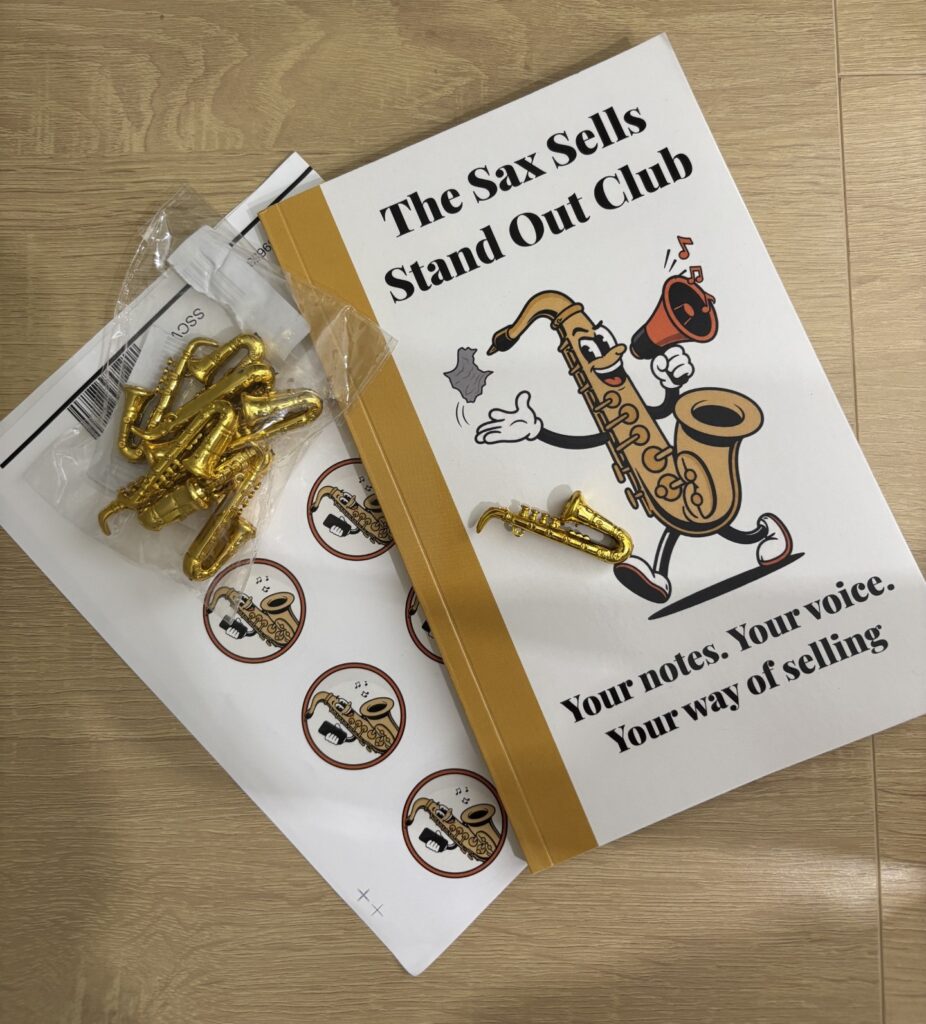 I’ve sent miniature saxophones because being the sax-playing sales guy is how people remember me. My whole thing is creative, memorable outreach, and so I practice what I preach. In one small campaign, ten carefully chosen prospects received one and two conversations followed. It’s too small to be a universal benchmark, but it shows the value of starting small and being selective.
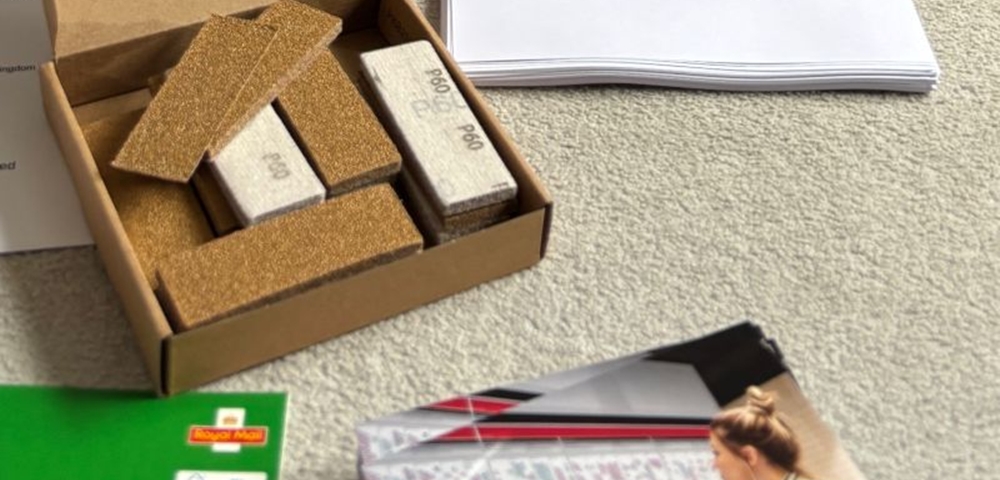
Other ideas make the prospect’s problem tangible. A fortune cookie can carry a message about the future. Sandpaper can introduce a conversation about friction in a digital customer journey. Firefighter toys allude to leaders who are constantly fighting fires and not having the time to do their main function.
This is where SMEs can compete. You don’t need an elaborate hamper or a box at a football stadium to impress prospects. A simple, relevant idea will usually be stronger than an expensive gift that could have been sent to anybody.
Give the follow-up somewhere to go
Lumpy mail works best as part of a wider multi-channel outreach campaign, not simply as a hopeful parcel or letter sent into the void. The item earns attention, but the follow-up must turn that attention into a conversation.
Begin by researching a small group of high-fit prospects and the issues relevant to their role. Send the item with a short letter. Follow it within a few days with a call, email or LinkedIn message that references the idea. Later follow-ups should add a useful observation, example or question. It’s important to use a mix of channels to ensure you’re meeting people where they prefer to communicate.
“I’m the guy who sent the saxophone” creates recognition. “Just checking whether you saw my email” creates another reason to press delete, or worse – mark as spam!
Test small before you scale
Don’t begin with 5,000 names from a database. Choose 20-50 organisations you genuinely want to work with and where the potential value justifies a little more effort.
Track delivery, engagement, conversations and what happens afterwards. If people remember the object but not the message, the creative idea has overshadowed the commercial point. If nobody responds, review the audience, message and follow-up before buying a larger batch.
Check whether the person works remotely, whether the office will accept the package and if using a food item, try to accommodate for allergies and dietary requirements (I like using vegan sweets to please most people!) Keep packaging easy to open. You can go mysterious, with a plain box, or go nuts with the branding!
Attention is not the same as trust
A pattern interrupt shouldn’t be strange just for the sake of it, and personalisation shouldn’t give off a stalker vibe. Use public, commercial information such as the person’s role, the company’s priorities or an issue visible in its customer journey. Show that you understand their work, not that you scrolled through five years of their holiday photographs.
The rest of the sales experience must live up to the first impression. A clever parcel followed by a generic pitch is a let-down. Your website, LinkedIn profile, examples and discovery call should reinforce the same thoughtfulness.
The advantage is being deliberate
The choice is not between direct mail and digital outreach. The strongest approach blends both. Physical outreach gives digital follow-up context, while digital channels help continue the conversation.
Physical outreach isn’t nostalgia for the times of Rolodexes and fax machines. It’s a response to a sales environment where being human, relevant and memorable has become a competitive advantage.
Your prospect definitely doesn’t need another cold email. But they might appreciate a bit of creativity and fun.
Author details
Jordan Japal is the sax-playing sales guy behind Sax Sells, a sales consultancy helping agencies, freelancers and creative businesses create opportunities through creative, personality-led outreach. His approach blends direct mail, email, LinkedIn and phone to start more human sales conversations.