
BUSINESSES which have delayed essential health and safety training or failed to carry out required health checks on staff could leave themselves vulnerable when major changes to unfair dismissal rights take effect next year, according to health and safety expert Andrew Wilkinson.
From January 1 2027, the qualifying period for most employees to bring an ordinary unfair dismissal claim will reduce from two years to six months under the Employment Rights Act 2025. In practical terms, this means employees who started work on or before July 1 2026 and remain employed will have reached six months’ continuous service when the new rules take effect. The change significantly increases the number of relatively new employees who may have access to unfair dismissal protection.
“Businesses sometimes put training off because they are busy, because of cost pressures or simply because it keeps slipping down the priority list. That can create a much bigger problem later,” said Andrew, who has been a health and safety specialist for more than 20 years.
“If an employment relationship breaks down and ends in a tribunal claim, an employer needs to be able to demonstrate that it took its responsibilities seriously. An employee could raise concerns about inadequate training, unsafe working practices or a failure to monitor known workplace health risks as part of wider evidence surrounding their employment and dismissal.”
Andrew, director of Swindon-based Secure Safety Solutions which he runs with his wife Kim, is warning employers that this is an important time to review their health and safety arrangements, particularly where training, specific personal risk assessments or health surveillance have been postponed.
Employers already have legal responsibilities to protect their workers and provide adequate information, instruction and training. In certain working environments, health surveillance is also legally required where employees remain exposed to health risks despite control measures being in place.
“These risks can include exposure to loud noise, vibration and hazardous substances, including some dusts and fumes,” Kim said. “Depending on the workplace and the risks identified, surveillance can include ongoing checks designed to identify early signs of work-related ill health.”
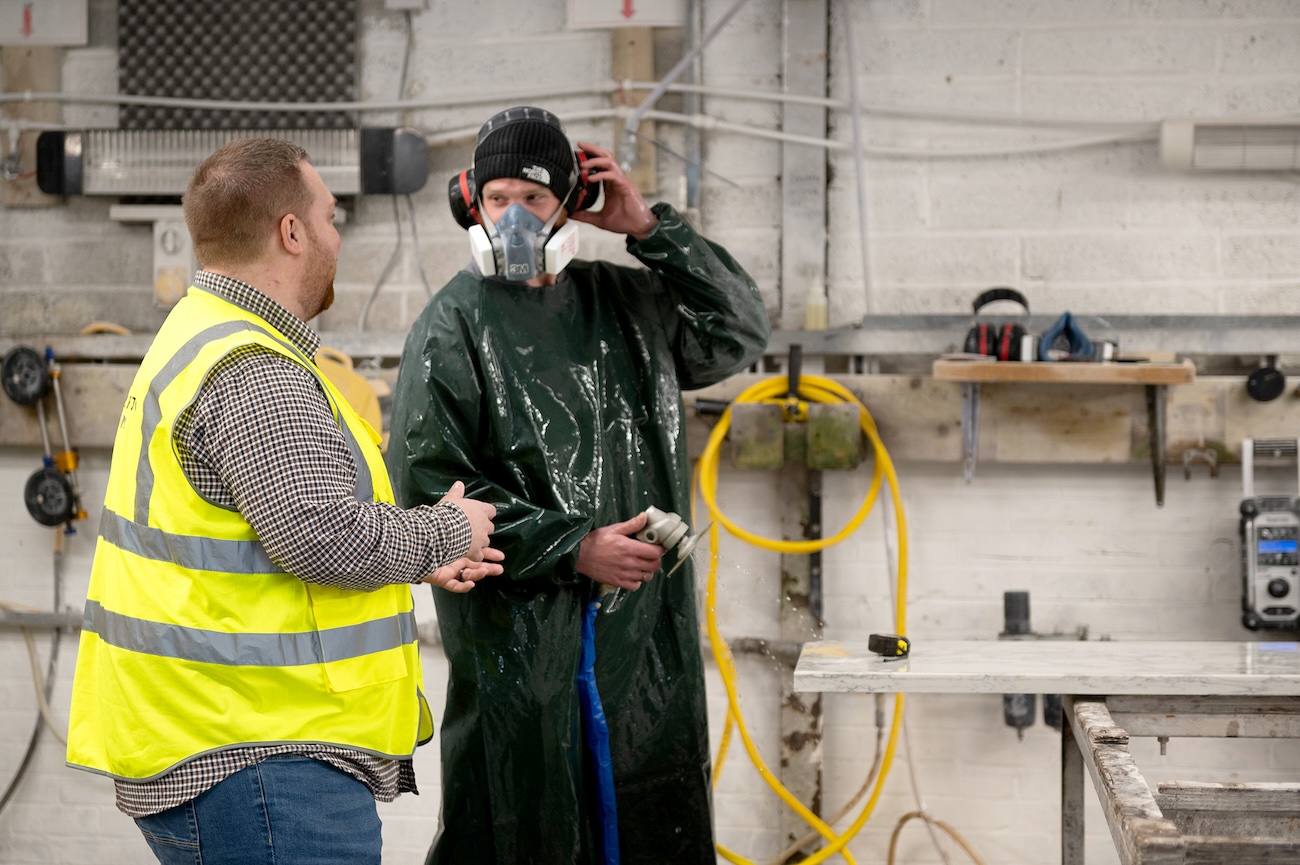
The warning is particularly relevant for businesses where employees may be exposed to occupational hazards, including construction, manufacturing, engineering and other workplaces where dust, fumes, hazardous substances or significant levels of noise are relevant.
Health surveillance is not a general health check for every employee. It is a risk-based system of repeated checks which is legally required in specific circumstances. Employers should assess the hazards present in their workplace, put appropriate controls in place and determine whether any residual risks mean surveillance is necessary.
“The employment law change should be a prompt for employers to look carefully at what they have in place now rather than waiting until January,” Andrew said.
“An employee who joined on July 1 this year will have six months’ service when the new qualifying period takes effect. Businesses should be asking whether that person has received the training they need, whether it has been recorded and whether any necessary health surveillance has taken place. Good health and safety management is about protecting people first yet good records also allow an employer to demonstrate what has actually been done.”
Businesses concerned about their health and safety arrangements are being encouraged to review them now and seek competent advice where necessary. For more information visit https://securesafetysolutions.co.uk/