
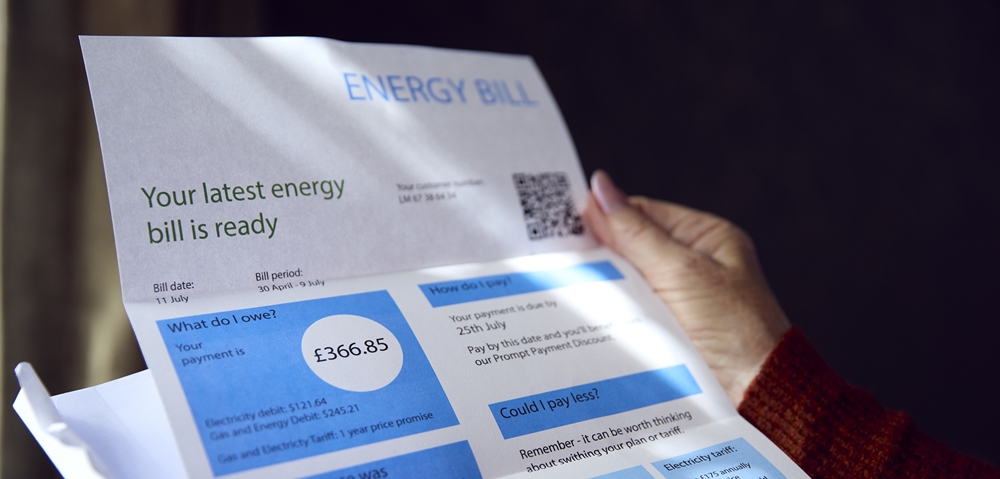
More than 1 in every 5 UK business owners are unsure how to reduce energy bills. With this in mind, business energy experts, Utility Bidder, have shared 8 tips businesses can implement to help this year.
Mark Gamble, Head of Supplier Relations at Utility Bidder comments:
“The new year brings a new start for some businesses, while others will be optimising new money-saving strategies to be in place for the new financial year starting in April. Already in 2026, we’ve been treated to country-wide cold snaps and storms, and it is a vital time to be utilising energy and heating effectively, whilst also trying to balance the books.
“Unlike consumers, UK businesses don’t have the safety net of an energy price cap, which has sadly meant that many small businesses have had to close their doors. Although rising energy costs may be out of the hands of business owners, some steps can be taken to reduce energy usage, which will have a knock-on effect when it comes to receiving your energy bill.”
“Whether it’s switching from incandescent bulbs to LED, which use 75% less energy, or making the most of office spaces and furniture spacing to heat a room, the following tips offer a blend of strategies that will help save money both in the short term and in the long run.”
What can be done in the short term to help reduce energy bills?
Follow the 30cm rule for furniture placement
Radiators are commonly blocked in households, and their effects are diminished without homeowners even knowing it and it can often be the same for office spaces and business premises as well.
Whether it’s an office sofa, table, or cabinet, furniture needs to be kept at least 30cm away from radiators to improve heat circulation. You’ll also be preventing a fire hazard in the process.
Bleed the radiators
Business owners should bleed radiators when trapped air reduces heating efficiency. Although the most effective time to do this is in autumn before the colder weather sets in, you should still look to implement this now if needed to improve your heating systems. You should be able to identify the radiators in need of a bleed by identifying whether they are cold and unevenly heated.
Delay heating your premises in the morning
Utilise heating schedules and programmes so that you aren’t wasting heat when buildings are empty, or in the view that the heating needs to be on hours before the working day. Optimise the start-up to be between 30 and 60 minutes before employees arrive and turn the heating off by the end of the working day.
What long-term investments can help reduce energy bills?
Invest in new appliances
If office appliances such as desktop monitors and printers have been working effectively for several years, the thought of replacing them may not be of consideration. However, old appliances can increase energy usage significantly, so it’s important to invest in more energy-efficient models if your business can do so. It’s also important to switch off appliances when they’re not in use and educate employees on the benefits this has, both financially and environmentally.
Install an energy monitor
An energy monitor is a device which is attached to your electricity meter and in turn, tracks how much electricity your business is using. Although many people believe energy monitors are the same as smart meters, they are, in fact, different. As well as tracking electricity usage, energy meters also measure the amount of greenhouse gas emissions produced by your business and detect any irregular energy consumption patterns, which will help to reduce your business’s bills.
Switch energy provider
Looking for a new energy deal can often be less of a priority compared to other tasks, but your business could be worse off financially if you’re letting your current deal continuously renew. When your current deal is coming to an end, browse new deals on business electricity comparison websites. Not only will this enable you to find a cheaper deal, but it also reduces the amount of time it would take you to contact suppliers directly.
Improve HVAC efficiency
During the colder months, it’s important to make sure your business isn’t wasting energy, so it’s worth investing in a smart thermostat so you can regulate indoor temperatures. As well as this, make sure to have your HVAC system cleaned regularly, as this will help to improve efficiency and fix any windows and doors where heat may be escaping, as this can help to reduce wasted energy and costs.
Invest in LED lighting
Whether it’s during the summer or winter, office lights are constantly in use during working hours. For most older office buildings, incandescent bulbs are most likely in use, however, they use a considerable amount more energy than their LED counterparts. Switching to LED light bulbs in your office means that you’ll be using 75% less energy compared to incandescent, which will reflect positively on your energy bills.