
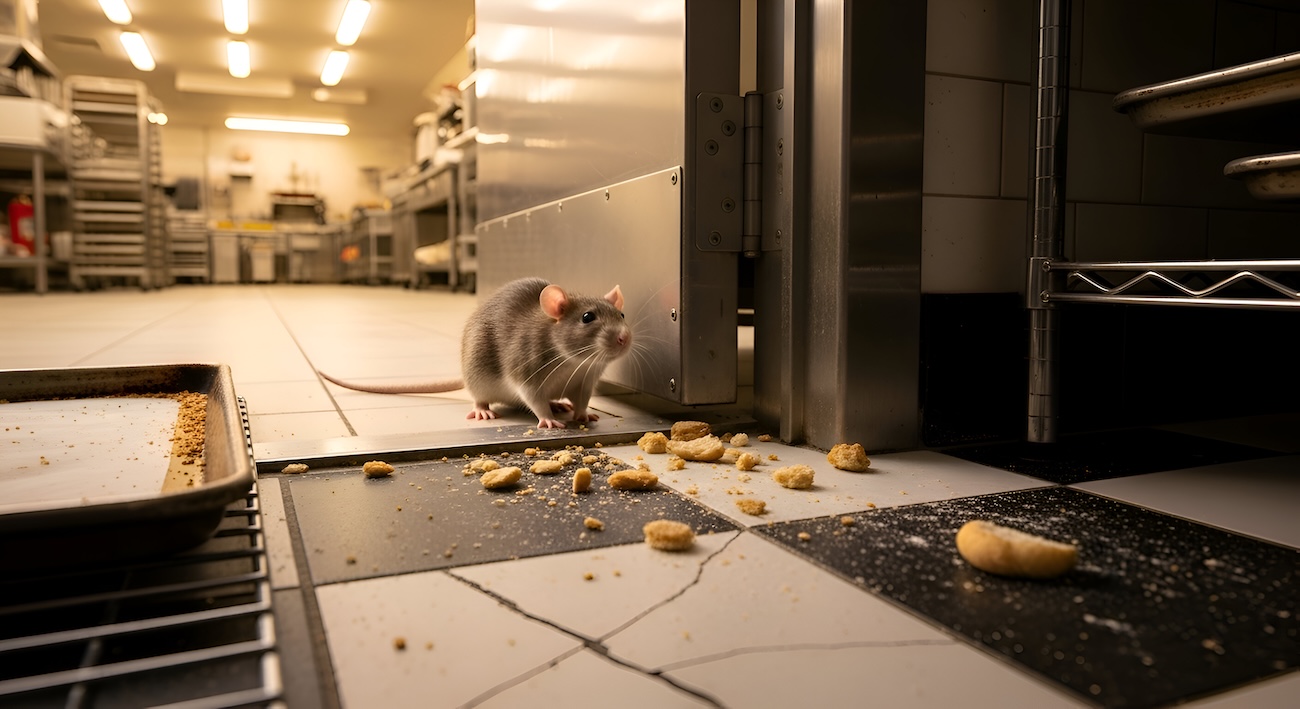
Food contamination stories have a habit of making headlines — and for good reason. They strike at the heart of consumer trust. A recent example involving MOMA’s porridge and reports of mice contamination has once again put product safety, manufacturing processes and legal responsibility firmly in the spotlight.
For UK SMEs operating in manufacturing, food production or product distribution, these incidents are more than just news — they are cautionary tales with real commercial implications.
Where Things Go Wrong
Product contamination rarely stems from a single failure. In most cases, it is the result of multiple breakdowns across the supply chain — from raw material handling and production processes to storage, packaging and final quality checks.
Even businesses with robust systems in place can find themselves exposed if controls slip or if third-party suppliers fail to meet required standards. For SMEs, where resources can be tighter and processes less automated than large-scale manufacturers, the risks can be even more pronounced.
Legal Responsibility: Who Is Liable?
When unsafe products reach the market, the legal framework in the UK is clear: responsibility typically sits with the manufacturer.
Vincent Billings, Partner in the Corporate & Commercial team at SA Law: 
“Usually when there is a product liability issue, such as MOMA’s porridge and mice contamination, this means a number of faults have already taken place within the manufacturer’s processes – whether it is the manufacturing process itself or it could be right up to quality control. In most circumstances, the manufacturer is not aware of the product liability issue at the time of sale to its customer, as it would not be in the commercial interests of the manufacturer to sell contaminated products. The manufacturer usually becomes aware of product liability issues after it has hit the market. The duty to notify arises once a producer or distributor knows that a product it has placed on the market, or supplied, is unsafe.
In such circumstances, liability will usually remain with the manufacturer, who will usually hold product liability insurance to mitigate the risk.”
This highlights a crucial point: liability is not dependent on intent. Even accidental failures can carry significant legal and financial consequences.
The Real Cost to SMEs
Beyond legal exposure, product safety failures can have a lasting and often severe impact on SMEs, affecting brand reputation as trust can be lost overnight, damaging customer retention since consumers may choose not to return, and straining retail relationships where supermarkets and distributors might delist affected products. At the same time, the financial burden can escalate quickly, with recalls, refunds, and legal costs placing significant pressure on cash flow. For SMEs without the financial resilience of larger corporations, even a single incident has the potential to threaten the business.
Prevention: What SMEs Should Be Doing
- Robust quality control systems
Implement multi-stage checks across the production process — not just at the end.
- Supplier due diligence
Ensure third-party suppliers meet strict hygiene and safety standards, with regular audits where possible.
- Clear traceability
Maintain detailed batch tracking so affected products can be quickly identified and recalled if needed.
- Crisis response planning
Have a recall and communications plan ready before issues arise. Speed and transparency are critical.
- Adequate insurance cover
Product liability insurance is essential — not optional — for businesses placing goods on the market.
A Wake-Up Call for Growing Businesses
As SMEs scale, operational complexity increases — and so does risk. What worked at a smaller scale may no longer be sufficient as production volumes grow.
Incidents like the MOMA case serve as a reminder that product safety is not just a compliance issue — it is a core business function tied directly to brand value, customer trust and long-term sustainability.
For SME leaders, the message is clear: invest early in strong processes, take legal responsibilities seriously, and prepare for the worst — even while aiming for the best. Prepare for the worst — even while aiming for the best.