
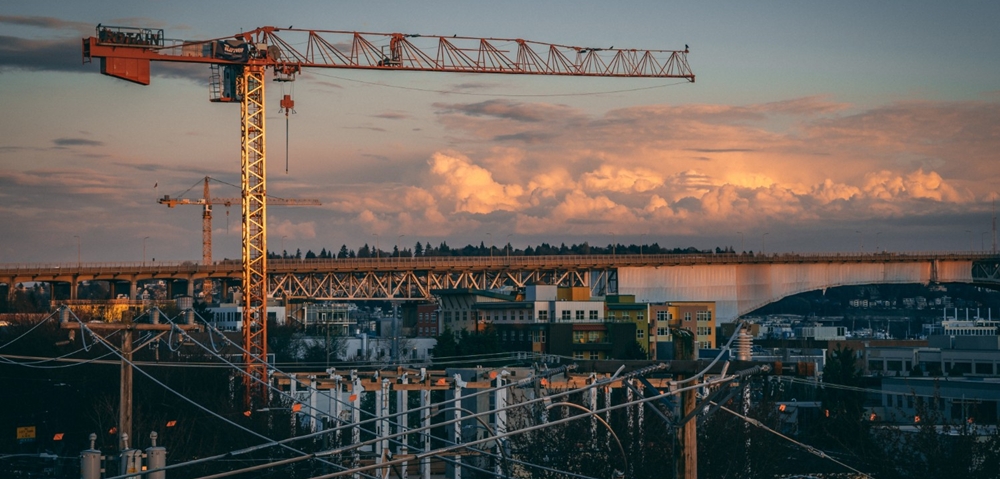
Operating a construction site in a remote location brings a unique set of challenges. Without access to main services, urban infrastructure, or nearby suppliers, it’s essential to have the right equipment and systems in place to keep your site running smoothly and safely.
Whether you’re managing a rural development, infrastructure project, or temporary works in a hard-to-reach area, discover the core equipment every remote construction site should consider.
Site Planning and Temporary Infrastructure
Strategic planning is essential before work begins—especially in remote areas where self-sufficiency is key. Establishing core infrastructure early helps avoid costly delays.
Reliable access is a priority. Temporary roadways or ground matting ensure vehicles and machinery can reach the site safely, even in poor weather. Security should also be in place from day one, with fencing to protect the site and meet health and safety requirements.
Welfare facilities are equally important. Staff need access to toilets, handwashing stations, break areas, and first aid stations. Mobile welfare units offer a practical solution and can be quickly installed. Sites without mains access will also need arrangements for fresh water and drainage.
Power Supply and Lighting
A reliable power supply is critical, particularly on sites where grid electricity is unavailable. Diesel generators remain the primary choice for remote operations, capable of powering tools, lighting, site offices, and welfare units. Increasingly, contractors are pairing generators with battery storage or hybrid systems to reduce fuel usage and emissions, aligning with environmental best practices.
Lighting is another key consideration. Even in summer months, early starts and late finishes are common in construction, and proper site lighting ensures safety and visibility for workers. Lighting towers with LED technology offer an efficient solution, often with low fuel consumption and robust build quality for demanding environments.
Mobile Fuel Management
One of the most overlooked yet critical elements of a remote site setup is how to manage fuel supply. Heavy plant, site vehicles, and generators all require regular fueling, and the logistics of travelling off-site to fill up can result in serious downtime and unnecessary expense.
Fuel bowsers are often used to address these issues and provide a smart solution for on-site refuelling. These mobile tanks are designed to safely store and dispense fuels such as diesel or petrol directly where needed. Their portability allows them to be positioned on or even moved around a site, enabling efficient refuelling of equipment without interrupting operations. This makes them a valuable tool for reducing fuel wastage, improving productivity, and ensuring that machinery keeps running even in the most isolated conditions.
Heavy Machinery and Site Vehicles
Selecting the right plant and transport vehicles is fundamental to a well-functioning site. Remote areas often come with uneven ground, poor traction, and limited space, so it’s important to consider how machinery will perform in these conditions.
Tracked excavators are a popular choice due to their ability to navigate soft or sloped ground. Dumpers and telehandlers offer essential lifting and transport capabilities, and 4×4 vehicles are typically required for site supervisors and engineers to move around efficiently. Whether you’re hiring or purchasing machinery for a remote site, it’s important to consider the availability of maintenance support, as delays in servicing can have a serious impact on your project timeline.
Site Safety and Communication
Health and safety are critical on all construction sites, but remote locations present additional challenges due to limited access to emergency services. Key considerations include:
- Fire Safety and Spill Control
- Ensure on-site fire extinguishers are accessible and regularly checked.
- Use spill containment kits, especially when handling fuel or hazardous materials.
- First Aid Readiness
- Maintain clearly marked and well-stocked first aid stations.
- Train all relevant staff in emergency response procedures and ensure they know where to find first aid equipment.
- Reliable Communication
- Assess the strength and reliability of mobile signals on-site.
- Provide two-way radios or satellite phones for areas with poor or no coverage.
- Establish clear communication protocols to ensure workers and supervisors stay connected at all times.
Environmental and Regulatory Considerations
Even in remote settings, environmental and legal responsibilities remain. Construction teams must take steps to prevent pollution, manage waste appropriately, and operate in line with environmental protection standards.
This means using bunded fuel tanks, properly storing hazardous substances, and ensuring watercourses are protected from contamination. Dust and noise control may also be required, particularly when working near farmland or conservation areas. By staying ahead of regulatory requirements, contractors can avoid fines, delays, and reputational damage.