
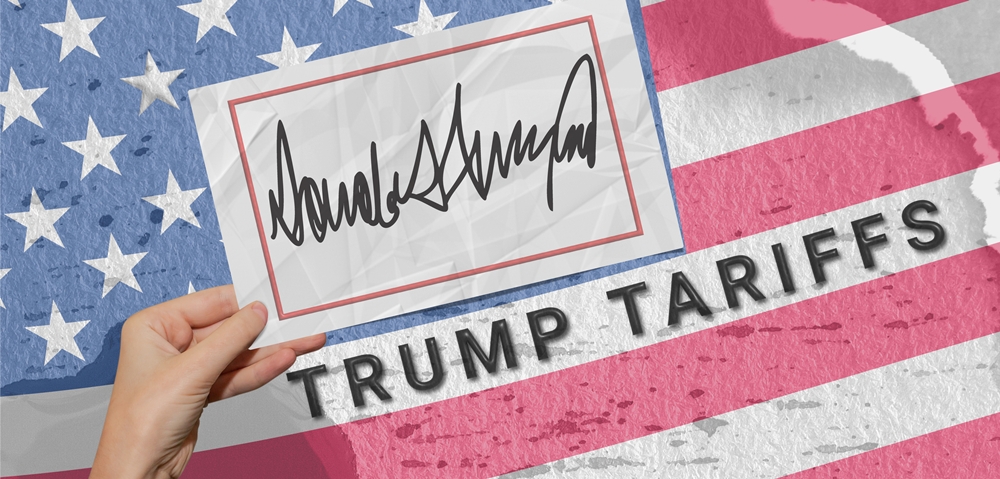
In response to reports that the United States may introduce a 10% import tariff under proposals linked to Donald Trump’s trade agenda involving Greenland, Dr Jonathan Owens, Senior Lecturer in Operations Management at the University of Salford, has shared expert insight on what this could mean for UK businesses and supply chains.
UK businesses are facing renewed uncertainty following reports that the United States may introduce a 10% import tariff. If enforced, the tariffs could have a significant ripple effect across UK supply chains, particularly for manufacturers, exporters, and logistics providers with strong transatlantic links.
The US is one of the UK’s largest trading partners, accounting for billions of pounds in exports each year across sectors such as automotive, aerospace, pharmaceuticals, food and drink, and advanced manufacturing. A blanket 10% tariff would increase costs for US importers of UK goods, potentially reducing demand and placing pressure on UK producers to absorb price increases or renegotiate contracts.
Supply chains could also face indirect disruption. Many UK manufacturers rely on complex, multi-country supply networks that include US components, raw materials, or distribution hubs. Higher tariffs may lead to delays at ports, increased administrative burdens and a re-evaluation of sourcing strategies, all of which could raise operational costs and extend lead times.
Small and medium-sized enterprises (SMEs) are likely to be disproportionately affected, as they often lack the financial flexibility to offset tariff impacts or rapidly diversify markets. Logistics providers may also experience fluctuating volumes and increased compliance requirements, further straining capacity.
Industry bodies are urging the UK government to engage proactively with US counterparts to seek exemptions or mitigations, while encouraging businesses to review their supply chain resilience. Scenario planning, supplier diversification and closer collaboration with logistics partners will be critical in the months ahead.
While the proposed tariffs are not yet confirmed, their potential introduction underscores the importance of trade stability and the need for UK businesses to prepare for further global trade volatility and the fragile UK growth.