

Xero is capturing the stories of young entrepreneurs to share how they began to engage with ‘the numbers’ more confidently
Young people in the UK are reconsidering how they enter the world of work. Our latest research found that nearly three quarters (72%) are attracted to entrepreneurship, with only one in five young people (20%) planning a traditional career path.
But there are barriers that are holding young people back from starting their own business – and it’s not for lack of wanting. Over a third (37%) say they’re held back by a lack of financial skills – more so than a lack of traditional business know-how (23%). Instead of sales or marketing skills, young people lack confidence around managing cash flow, understanding tax requirements and making financial decisions – the practical realities of running a business.
With youth unemployment at its highest rate in over a decade, entrepreneurship provides a promising alternative route. But without the financial knowledge to take the first few steps, many young people are feeling stuck.
Starting young means wearing many hats
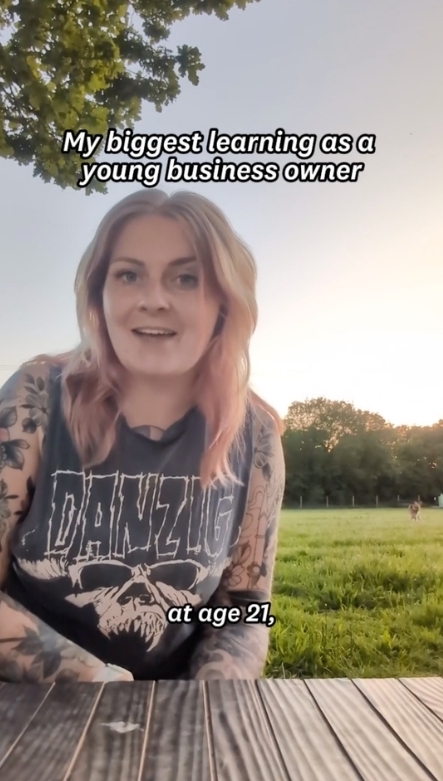
Running a small business means learning how to juggle many jobs on the spot – more than most young people might expect. This was the case for Kate Perry who started her dog training business, Chase Canines, at just 21. Having worked with dogs in rescue since she was 16, Kate had a clear vision of how her skillset and values around dog training could shape her own business. But the financial side of things was a different story.
As Kate says, “The extent of the financial skills I was taught at school was learning how to budget, which, while helpful, doesn’t help to pay, claim and file my taxes.” In those early days, there’s often pressure on budding entrepreneurs to know everything by themselves, but you can’t know what you haven’t been taught.
*Watch Kate’s story*
That mindset shift proved to be a turning point. Kate continues, “A big shift in confidence came when I realised I didn’t have to know everything myself, I just needed the right support.” Finding an accountant who truly understands how her business works made all the difference, and with that support in place, her confidence in running it grew.
Facing knowledge gaps can be daunting. But turning to peers and online networks can help young entrepreneurs feel less alone, and more equipped. Online content, from government resources to accountancy blogs, hugely benefitted Kate as she got to grips with new business processes and conversations she’d not had before.
Financial confidence isn’t about becoming an accountant overnight. It’s about having sufficient skills, knowledge and tools to make informed decisions, ask the right questions and feel in control of your business. Other research we conducted revealed over a third (36%) of small business owners didn’t know if their business was profitable last month, and 37% admitted they don’t regularly check their business expenses. Getting to grips with what the numbers actually mean, earlier on, can help entrepreneurs avoid these blind spots before they become costly ones.
Learning business finances on the job
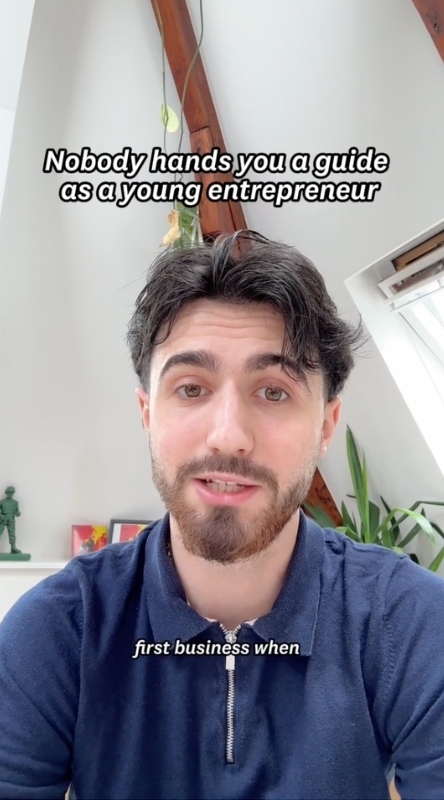
Harry McCrae knows this feeling well. The founder of BeanSync didn’t have a roadmap when he started out. “Nobody hands you a guide to the financial side of running a business, but having the right tools can make a big difference.”
Feeling that the financial education he’d received at school didn’t go far enough to prepare him for entrepreneurship, at 16, Harry turned to YouTube to teach himself both business basics and digital marketing skills for his first venture. That self-starter instinct eventually led him to spot a gap in the market: digitalising operations for the coffee industry.
Before setting up BeanSync, Harry noticed how easily the ambition to chart their own path can be overtaken by uncertainty when young people read misinformation about business ventures that are too good to be true. He says, “Young people dive into business head first expecting huge returns, before realising starting-up isn’t straightforward and walking away before they’ve had the chance to build something real.”
So where are young people turning for guidance instead?
Many are building their own informal networks, turning to family members (42%) for guidance, and over a quarter (28%) look to social media platforms like TikTok while 23% use AI-powered searches. Technology can play an important role in making information more accessible and providing relatable explanations. But as Harry puts it, “Starting a business isn’t as daunting as you think. You don’t need to know everything at the start, but having the right tools can make a huge difference.” That said, it’s important to direct them towards practical and trusted support so budding business owners understand the caveats that come with any financial decision.
*Watch Harry’s story*
Ready to take the next step? Here’s where to start
Young people in the UK are brimming with bright ideas, and the ambition to develop them. What they need is the confidence to navigate the financial realities of running a business.
If you’re thinking about starting a business, you don’t have to figure everything out on your own. Trusted online resources, peer networks and accountants can all provide valuable guidance as you build financial confidence. For practical support, explore Xero’s Unlock Your Numbers where you’ll find videos and guides covering essential topics, from understanding profit and loss reports to budgeting and cash flow.
If you know someone with entrepreneurial ambitions, share it with them too.