
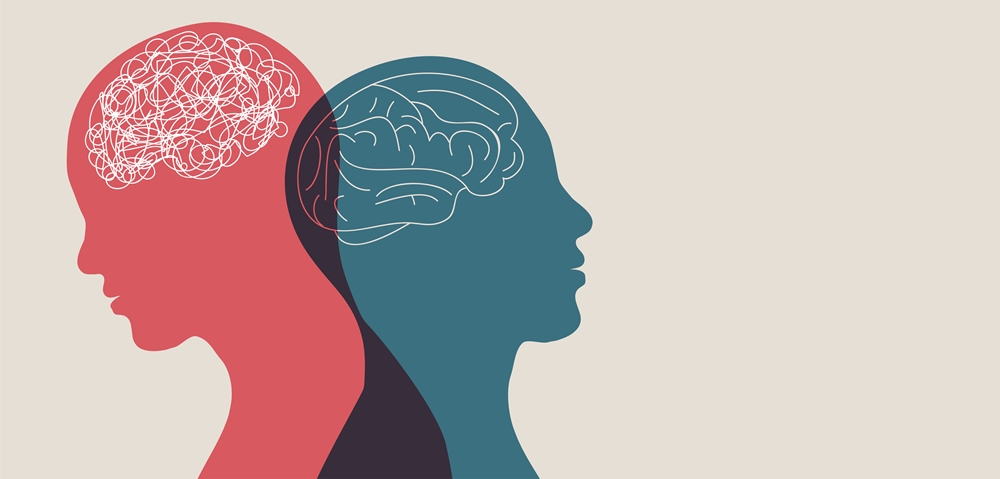
Mental Health Awareness Week takes place 15 – 21 May, and this year’s theme focuses on anxiety. Most people can relate to feelings of anxiety around a social activity, be it a family gathering, big work meeting, or starting a new job.
Social anxiety disorder (or social phobia), however, can be far more debilitating than the ‘normal’ nervousness that we can all experience, and it can have a significant impact on the wellbeing and relationships of those it affects, as well as those around them.
Dan Kentley asks what can impact these difficulties and how we can best support those affected.
What is social anxiety disorder?
The concept of social anxiety has been around for almost as long as humans have been philosophising about their experiences on earth, and it is estimated that as much as 12% of the population will experience a social anxiety disorder at some point in their lifetime.
Whilst there is no specific “cause” for social anxiety, we do know that many people report having experienced the feelings associated with it for as long as they can remember – suggesting that often it emerges during childhood. Research and twin studies have also shown that a genetic factor is likely, as well as the environment individuals experience in their early years (for example being exposed to socially anxious parents, carers, or peers).
Life events, experiences, and trauma (such as abuse or loss) can also have an impact on an individual’s resilience and susceptibility to anxiety, and there are also links with substances such as alcohol, caffeine, nicotine, and drugs, often used as a negative coping strategy.
For some people with social anxiety, the isolation it brings can come with feelings of inadequacy, sadness, or even shame, sometimes mimicking or causing depression.
How do we recognise social anxiety disorder?
Unlike the ‘normal’ psychological and physiological (‘fight or flight’) symptoms of anxiety we experience as humans, social anxiety disorders can present as a persistent fear or dread of a specific or various social situations that could be considered disproportionate to the actual threat posed by the situation. Often individuals will fear being judged or criticised by others or humiliating themselves in some way such as by sweating, shaking, or blushing, or coming across as anxious or incompetent.
Social anxiety disorder can be separated into two main types: ‘general’ and ‘specific’. Those experiencing general social anxiety (the most common category) often describe themselves as shy and will experience distress around the prospect of any social situations (often avoiding them altogether). This can have a significant impact on the day-to-day lives and functioning of individuals and lead to becoming more isolated as a means of avoiding potential criticism or judgement by others.
Specific social anxiety disorder (as the name suggests) is limited to a particular situation in which individuals experience the distress associated with anxiety and as such, many people can function well in all other areas of their lives, increasing the chances of their difficulties going unnoticed. Examples include:
- Public speaking or presenting
- Eating or drinking in front of others
- Writing in front of others
- Using public toilets
Other symptoms of social anxiety disorders can also include physical sensations such as nausea, tension, dry mouth, needing to go to the toilet, palpitations, and dizziness, as well as cognitive, or emotional, feelings such as intense fear before and/or during a social situation, and over-thinking or ruminating about an event after it has happened, often focussing on self-criticism or ‘flaws’, and expecting the worst possible thing to happen as a result of an interaction (catastrophising).
The combination of physical and emotional symptoms will often lead to avoidance of doing things or speaking for fear of embarrassment, and avoiding potential situations where attention may be drawn to an individual.
Treatments for social anxiety disorder
NICE recognises that social anxiety disorders often go undiagnosed due to factors such as the early age of typical onset (age 13 being the median) and the potential to be ‘masked’ by other mental health difficulties such as depression. There are, however, a range of effective treatments including talking therapies available.
Cognitive Behavioural Therapy (CBT) is the first line recommended treatment for individuals experiencing social anxiety disorders and can be facilitated in either individual or group sessions. Specific CBT treatment models for social anxiety may include:
- Education around social anxiety
- Experiential exercises identifying negative coping strategies
- Creating and examining videos of the individual’s behaviours
- Designing and completing behavioural experiments to test beliefs
- Identifying automatic and alternative, more balanced, thoughts (cognitive restructuring)
- Graded exposure (working up gradually to a particular situation)
- Relapse prevention
Progress is monitored during therapy, usually by a variety of measures such as the Social Phobia Inventory (SPIN) and can be helpful in identifying individual successful strategies. Some adults may also be prescribed medication such as an SSRI or SNRI (antidepressant) alongside or as an alternative to talking therapies, and this should always be monitored carefully by a GP or psychiatrist.
Supporting others
If a colleague or team member is experiencing social anxiety, it can often be difficult to know how best to support them. Although we might not be able to relate to some of the experiences or triggers they describe, it’s important to remember that they are very real for that person, and they may be sensitive to feeling judged because of them.
- Stay calm, be patient and don’t criticise. The journey to recovery can sometimes seem like a long one, and having support from colleagues, a line manager, and HR can be invaluable. More regular check-ins or 1:1 meetings may help colleagues feel more supported, especially if behavioural experiments or graded exposure include workplace situations.
- Asking how someone is feeling (as opposed to why they are anxious) can help them up about their thoughts, feelings, and emotions, and potentially how they may be positively or negatively affected by work.
- Actively listening to an individual and asking helpful questions that help them gain perspective and balance their thoughts can also help, for example “when was the last time you felt like this? What did you do?”, “what is a positive thing that could come from this experience?”.
- Suggesting an activity can help distract away from the anxiety, for example suggesting a walk or reading a book, and allowing flexibility in the workplace can provide space to engage with these strategies.
- Supporting others in seeking treatment can take many forms, whether it be emotional support, making a doctor’s appointment, or finding or suggesting a support group.
By Dan Kentley, Practice Manager at Onebright, the largest provider of outpatient mental healthcare in the UK.