
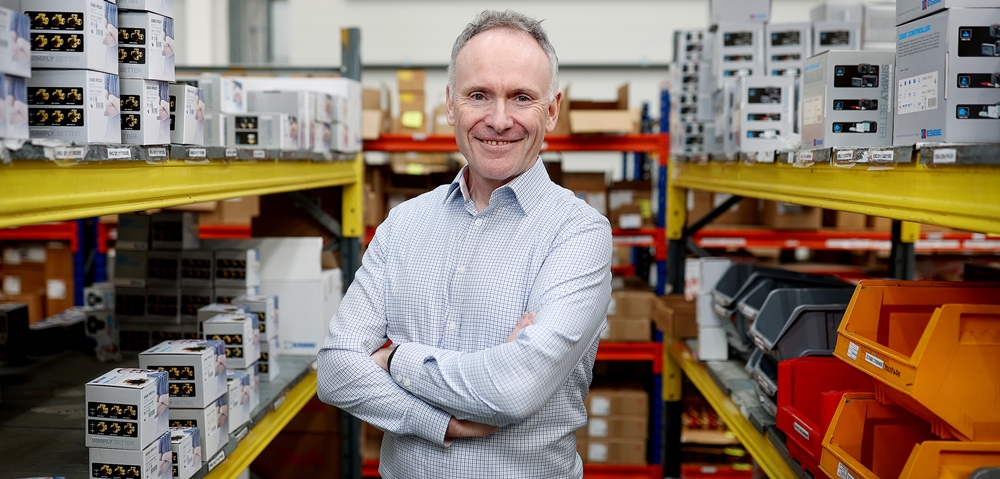
By Graham Morrell, CEO, Flowmax Group
Sometimes the most important conversations about legacy and succession only happen when the sale process is already underway. They should happen earlier, quietly, with the people an owner already trusts.
If you work with owner managed SMEs for example as a solicitor or accountant, maybe providing HR support, sometimes you see the signals. A client mentions they’re “starting to think about the future”. They’re tired of being the decision-maker in every area. They’re thinking about family, health, or what happens if they are unexpectedly unavailable. They’re not asking you to run a process. They’re asking what good looks like.
This is where succession planning becomes less about buyers, and more about protecting outcomes. How can the owner influence what happens afterward?
Most owners want three things at once. They want to take some value off the table. They want the business to keep thriving. And they want continuity, for their people, their customers and the culture they’ve built. The adviser’s role is to turn that intent into a route that fits.
A useful starting point is to separate the different kinds of risk the owner is trying to reduce.
Some routes reduce financial risk quickly but increase continuity risk. A trade sale can deliver certainty, but integration can reshape the business in ways the owner may not like. The questions to ask are not transactional, they are practical. What happens to the leadership team. What happens to the brand. What changes for customers. What does “synergy” mean in reality.
Some routes reduce execution risk only if management are ready. Management buy-outs and employee ownership can preserve culture and legacy, but they depend on capability and governance. They can be excellent outcomes, but they tend to reward early preparation, investing in second-tier leadership, tightening reporting and making decision rights explicit and in building there is a financial investment cost as spare capacity is installed to give team members capacity to grow and an outcome cost as a purely debt backed sale value is usually much lower.
Some routes reduce continuity risk but require alignment on pace and control. Bringing in an outside investor can enable growth, but the owner needs to be clear on what they are signing up to. Private equity typically brings a timetable and a more formal governance rhythm. Venture capital is designed for earlier-stage scale, and for many established SMEs it introduces pressure that does not match how the business actually operates.
And some routes reduce dependency on the founder by combining capital with capability. A long-term operating partner can give the owner a way to realise value while keeping autonomy, identity and a future that still feels like the business they built. The test is simple, is there practical support behind the plan, or just money and expectations.
At Flowmax, we work with owner-managed businesses in fluid technologies who care about continuity and opportunity. We partner for the long term, we respect autonomy, and we back growth with hands-on operating support, not financial engineering. For trusted advisers, we’re a useful option to introduce early, before any process exists, when shaping the right route matters more than running a competitive one.