

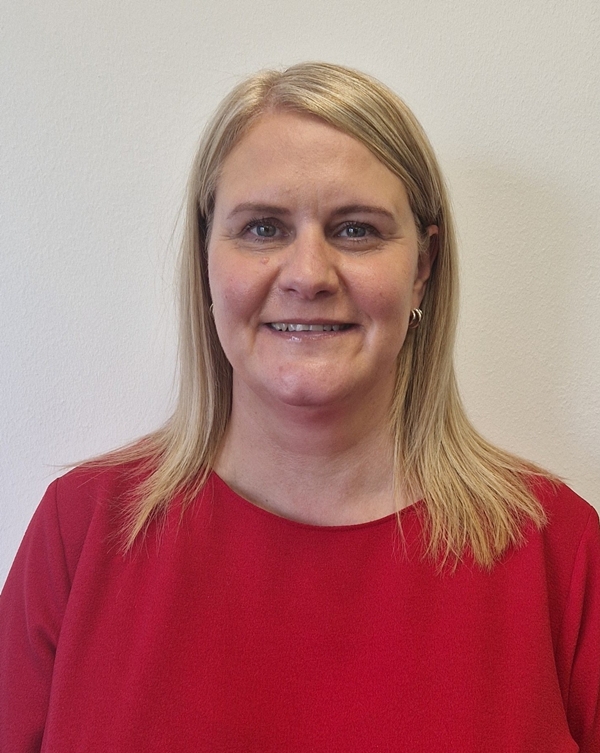
By Lisa Cleaver, COO of eCapital
Company insolvencies remain persistently high. Every day, 38 businesses in the UK close their doors. Not because they built something nobody wanted, or because the market moved on, but because the money owed to them simply did not arrive in time. Government research shows that late payments create significant cash flow pressure for SMEs, costing UK businesses an estimated £11 billion annually and contributing to thousands of business closures each year. For many firms, the issue is not whether the business is viable. It is whether it can withstand the delay between doing the work and getting paid for it.
The cost of waiting to get paid
A large contract lands, costs are committed, and payment terms stretch to 60 or 90 days. For many firms, that timing mismatch is not a sign of poor management but is simply how their trading relationships work. For businesses that are growing, taking on more contracts and hiring people, the pressure compounds rather than eases. The faster the growth, the wider the gap can become between money going out and money coming in.
Legislation giving the Small Business Commissioner stronger powers over persistent late payers is being introduced to Parliament, but small businesses still need their own working-capital resilience because many will not want to challenge major customers directly. The difficulty is that most businesses only become aware of how exposed they are when the gap has already opened. By that point, the options available tend to be fewer, faster and more expensive than they needed to be.
Why short-term fixes can compound the problem
When cash tightens, the instinctive response is to reach for something fast. Short-term loans are accessible, familiar and require very little paperwork. For a business owner who needs to cover a gap this week, the speed and ease is understandably appealing.
The difficulty is that a short-term loan rarely addresses the underlying timing issue. It covers the immediate shortfall, and when the gap reappears, as it often does, another facility follows.
The problem is that access to bank finance has become more challenging for many small businesses. SME Finance Monitor data suggests bank loan approval rates have fallen from around 60-65% before the pandemic to around 40% in the latest comparable period, while Boston Consulting Group analysis shows total SME lending has declined sharply as a share of GDP since 2011.
This funding gap has pushed many businesses toward products that were not designed with their long-term stability in mind. The debt that was meant to keep things moving can quietly become the thing holding the business back.
The SME funding awareness gap
For many British SMEs, the biggest barrier is simply knowing which finance options are available. 69% of SMEs cite lack of awareness as the biggest barrier to accessing appropriate funding, and nearly 60% of SMEs and mid-sized businesses have never considered looking beyond their main bank. Not because they have weighed the alternatives, but because they were never shown they existed.
The businesses that tend to navigate cash flow challenges most effectively are not necessarily “better run”. They are often simply better informed about the structured finance options available to them before the problem escalates.
The most common response from businesses that do eventually engage with alternative working capital finance is that they wish they had understood it sooner.
Building a more resilient working capital strategy
A useful starting point is to map your cash flow timing honestly. Note the payment terms of your main customers and calculate how much capital is tied up in unpaid invoices at any given point. For a number of businesses, that figure can be larger than expected, and that exercise alone tends to reframe how owners think about their working capital position.
From there, the question is not whether to seek finance, but which structure fits. Structured working capital finance, and invoice finance in particular, is not always well understood, and is too often assumed to be complicated, expensive or only relevant once things have gone wrong.
In practice, it is an asset-backed structure that releases cash against invoices already raised, turning revenue earned but not yet collected into working capital readily available. It is not a loan, there is no fixed repayment schedule working against the business each month, and the facility scales as the business grows.
Speaking to a specialist with knowledge of your sector and your debtor book will give you a clearer picture of what a facility would cost and what it would protect. That conversation tends to look very different when it happens as a planning decision rather than a response to pressure.
The best time to plan is before pressure builds
Regardless of the new late payments legislation, cash flow pressure will continue to affect small businesses. Too many only discover the problem once they are already under strain, at which point the options are narrower and the decisions more difficult. Getting informed about the right working capital structures early, and acting on it, changes that dynamic considerably.