
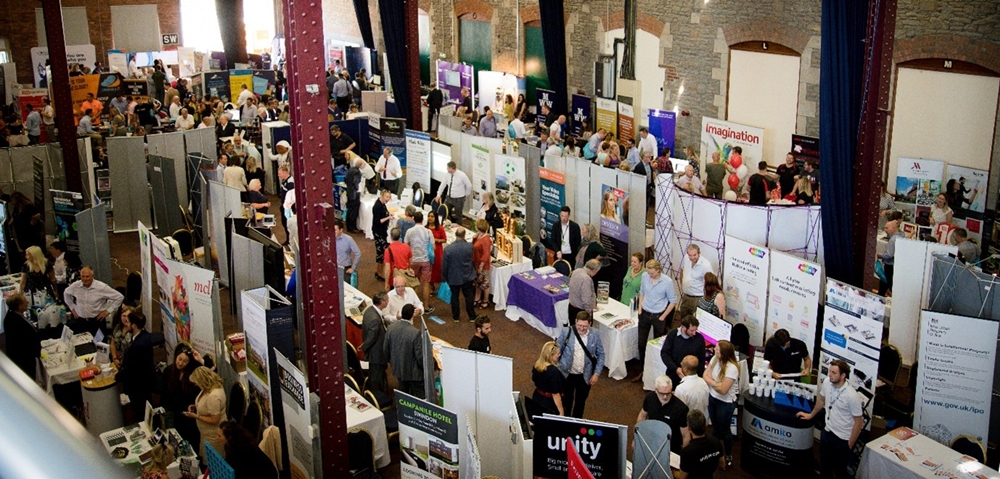
Global spending on corporate events is projected to reach £441.95 billion by 2029, revealing the continued importance of business travel and face-to-face networking.1
Against this backdrop, the business travel experts at Booking.com for Business have revealed the six key trends defining the corporate event market now:
-
Corporate event spending continues to rise
The global corporate events market is projected to grow from £241 billion in 2024 to £441.95 billion by 2029, representing a compound annual growth rate (CAGR) of 10.61%.1
B2B events alone generate approximately £1.26 trillion in direct spending globally each year, making it more important for businesses to treat events as revenue-driving investments rather than discretionary spend.
-
Major U.S. and UK convention hubs dominate the corporate events industry
The number of corporate events held annually in both the U.S. and UK exceeds 1 million each annually. In the U.S., major convention hubs like Orlando, Chicago, and Las Vegas account for nearly 40% of these events, showing the concentration of demand in key urban centers.2
-
Event costs continue to rise
In-person events are now 47.8% more expensive than virtual, with large meetings costing up to £260,000.3
-
International attendees deliver greater economic impact
International delegates spend up to four times as much as domestic attendees, making global events a major economic driver.4
-
Hybrid events have become a permanent model
80% of event planners now run hybrid events as a permanent model, not a temporary solution.2
-
Sustainability and AI are reshaping corporate event planning
83% of organisers factor sustainability into event design, while 58% are actively using AI to manage costs and complexity.2
Nadine Blokker, Booking.com for Business expert, offers insights on aligning events with business travel:
“Corporate events drive measurable business outcomes, like networking and revenue, so they must be carefully considered and planned. Here are some ways to make the most of every event trip:
“Plan around the attendee experience: Understand your audience. Consider the session length, networking opportunities, and hybrid access options. A smooth, engaging experience increases participation and satisfaction.
“Book early and strategically: Secure venues, flights, and hotels well in advance. Mid-week travel and accommodations close to venues reduce stress, travel costs, and lost productivity.
“Leverage corporate travel management tools: Use business travel management platforms to coordinate travel, manage expenses, and streamline itineraries. For teams attending multiple events or international trips, this ensures every detail is tracked and optimised.”
You can view the full report here.
Sources: