
If you run a small business, work for yourself, or earn income from property, the way you handle your income tax is about to get a digital makeover. HMRC is introducing its Making Tax Digital (MTD) for Income Tax regulation from April and it will shake-up how and when you need to report on your finances, representing the single biggest change to personal tax since HMRC launched Self Assessment more than 30 years ago.
What’s changing?
Currently, most people share a year’s worth of data with HMRC in a single annual tax return. MTD for Income Tax will change that and shift us towards a digital approach that is “little and often”.
Under the new rules, you’ll need to keep digital records of all your sales and expenses and submit quarterly updates to HMRC on what you have coming in and going out using recognised software. You’ll also need to complete a final declaration by the 31 January deadline to confirm your tax position and final tax bill.
The changes won’t affect everyone straight away. MTD for Income Tax will be rolled-out in stages. From April 2026, the changes will apply to sole traders and landlords with a gross income of more than £50,000 in the last financial year. It will then be extended to those earning over £30,000 in April 2027. Finally anyone with a gross income of more than £20,000 will need to comply from April 2028.
Even if you are not part of the first wave, it is worth understanding what changes are coming and how to prepare.
Why is MTD for Income Tax being introduced?
If you don’t have an accountant or bookkeeper, then chances are that submitting a tax return feels like a lot of

hard work. On top of managing your day-to-day work, it often means making sense of a shoebox full of faded receipts or spending your evenings and weekends manually calculating everything you’ve earnt or spent into a spreadsheet.
HMRC believes the current manual system leads to mistakes. By going digital, the government hopes to reduce errors and modernise the tax system, bringing it in line with the digital tools that already power much of the economy.
However, a third (34%) of you believe that the world of business costs, expenses and tax is hard to get your head around and nearly half (49%) are finding all the official information about MTD for Income Tax is confusing. For many of you the shift to digital tax might feel like a big change so start thinking about what might help ease the transition.
Get digital ready
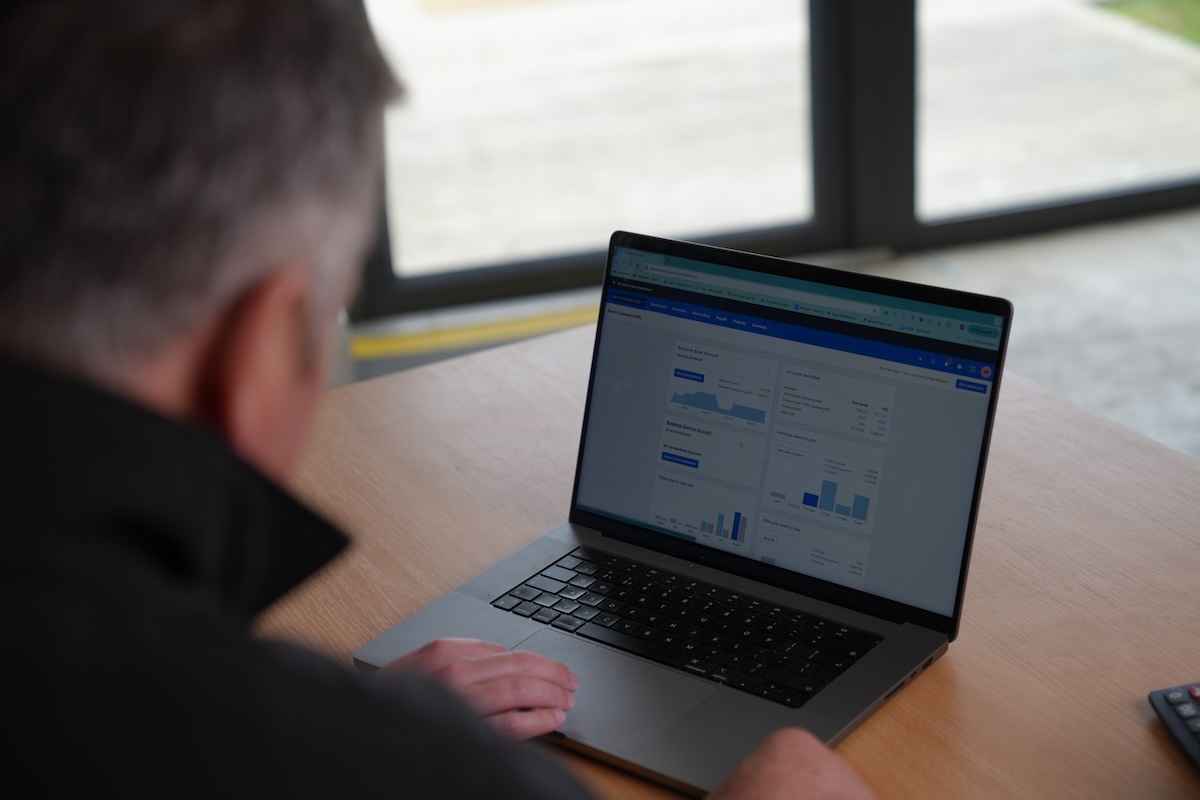
The first step to getting ready is choosing the right software. To comply, you’ll need something that is HMRC recognised and simple to use. Ideally, you want to look for digital tools that bring your financial admin together so you have one place where you can log your expenses, manage tax and keep on top of your finances. This will make everyday tasks feel quick and easy, while providing you with up-to-date digital records that make it easier to understand what’s coming in and going out.

At the moment, nearly two in five small business owners (38%) are unaware if they were in profit the month before, and over half (55%) struggle with cash flow management. With everything captured in one place, you should be able to start getting a clearer view of your numbers so you can spot early warning signs or issues – from unpaid invoices to unexpected costs, and changing profit margins.
Use the time before April wisely
Once your chosen software is in place, start using it regularly. Test out features that can save you time and cut down the chance of making mistakes. For example, you might be able to snap a picture of a receipt on your phone so your expenses are logged instantly or link your business bank account with your software so transactions flow in automatically.
More regular reporting might sound like extra work, but with the right set-up then your income and expenses should flow straight into your software and quarterly updates, giving you a good idea of how your business is doing and a rolling estimate of what your tax bill is looking like after each quarterly update. A quarter (26%) of small businesses have filed a tax or VAT return late in the last two years and 28% of those have received a fine from HMRC as a result but MTD for Income Tax should put a stop to the end-of-year tax surprise and help you set aside enough money for the final bill.

Don’t be afraid to ask for help
Although the switch might feel overwhelming, you don’t have to go it alone. Accountants and bookkeepers can be a huge help. They can break down HMRC’s guidance into practical steps, make sure everything is set-up right and guide you through the new reporting process so you stay on track.
With a more accurate view of your business, they can also start to advise you on other areas you might not have considered, such as tax efficiencies or cash flow planning, that will help you with building a better run business.
Get ready now
With less than 50 days to go until the new rules kick-in, the wisest move is to start acting as if MTD for Income Tax is already here. Be mindful that in your first year of MTD for Income Tax, you’ll have two tax years in progress at the same time. You’ll be finishing off your last self assessment return and starting the new quarterly reporting.
Don’t put yourself under extra pressure by waiting until April to find out if your record-keeping is up to scratch. By taking steps to get ready now, you can ease the pressure of the looming deadline and put yourself on a stronger footing to handle the changes.
To help small businesses get ready, Xero is offering new customers 95% off for six months when they sign up here in March 2026.
By Stuart Miller, Director, Public Policy & Tech Research, Xero
