

2026 has already proved to be a challenging time for small business owners, with a turbulent political backdrop and ongoing economic uncertainty forcing organisations to be flexible and reactive. This can make it difficult to look to the future, particularly when it comes to workforce planning. However, preparing for the months and years ahead is vital, ensuring there is a solid pipeline of talented people to take the business forward. This is particularly true when it comes to retirement which, when handled badly, can leave businesses with a talent gap and potentially irreplaceable loss of critical knowledge.
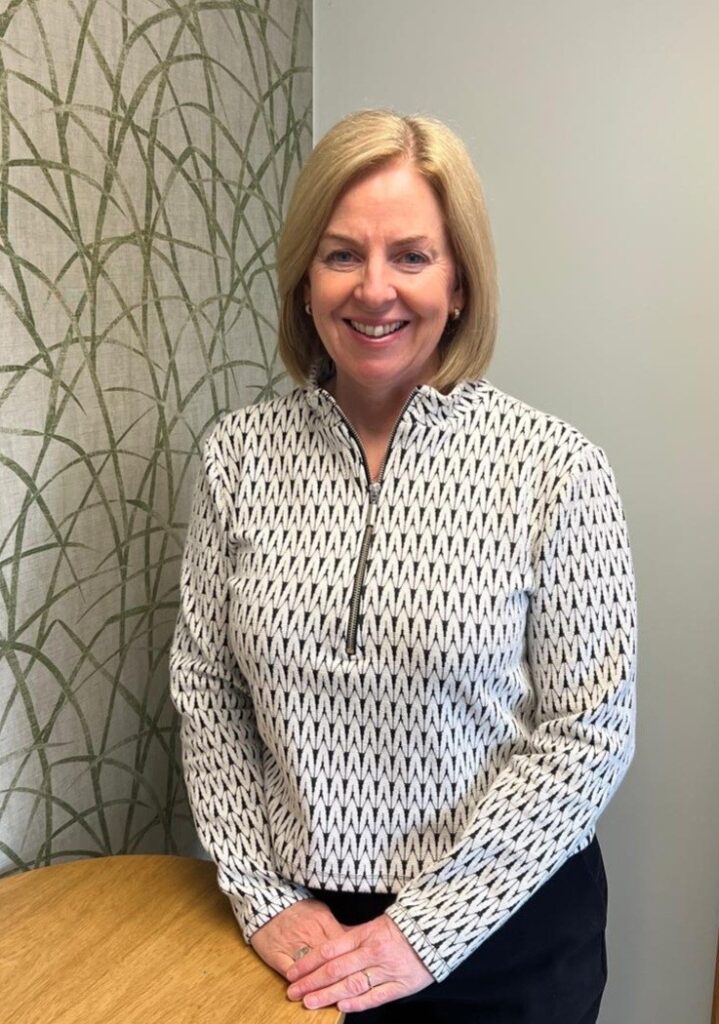
In this article, Susan Binnersley, Founder and MD of h2h, shares her insights on changing attitudes towards retirement and offers practical tips for organisations looking to lead the way.
The shifting landscape of retirement
Retirement is evolving; it is no longer a fixed endpoint but can now be considered a dynamic phase in the employee lifecycle. As individuals work longer and career paths become less linear, organisations must rethink how they support employees in their late career stages. Without structured planning, businesses risk losing critical knowledge, increasing costs, and damaging their employer brand. Proactive retirement planning is not just about concluding a career – it’s about sustaining engagement, purpose and contribution throughout the entire employee journey.
Firstly, it is important to understand current attitudes towards retirement – and not all of them are positive. We recently conducted research among more than 1,000 UK employees and found that the majority of people are not prepared for the lifestyle changes that occur when they retire, with 53% of people admitting they have planned financially but have not considered any other implications of retirement. Almost half (45%) worry they will lose their sense of purpose, while 39% of people due to retire in the next 10 years are worried about the impact it will have on their mental health.
Addressing outdated perceptions
Redefining what retirement looks like could help to shift the perspective into something more positive, both for the individual and their employer. For decades, retirement was seen as a full stop: a definitive end to a working life, marked by a gold watch, a pen and a leaving party. This perception is outdated; people are living and working longer and still have a lot to contribute well beyond the retirement age. The linear career path and sudden exit is being replaced by portfolio careers that sees people working numerous jobs and sampling varied career paths.
Our research found that “micro-retirement” – shortlisted as the Collins word of the year for 2025 – is of interest to 54% of people due to retire in the next 10 years, rising to 62% of people who are not yet approaching retirement age. The phrase refers to a flexible, intentional pause from work, usually taken mid or late-career, where employees can reflect, recharge and re-orientate. It is an interim, purpose-driven break that enables people to step back without stepping away and is a good solution for bridging the gap between work and retirement.
The benefits of flexibility
And the benefits of this option aren’t just reserved for the individual in question; business owners could see several advantages to micro-retirement. Firstly, it helps employers to retain critical talent and keep the mid to late-stage employees engaged and contributing. When these employees are out of the business, it creates space for other colleagues to step up and gain valuable experience and opportunities which may have not been open to them otherwise. This means the succession planning pipeline becomes well developed and strengthened. It also supports an inclusive and multigenerational workplace culture and demonstrates a commitment to a progressive and human-centred attitude to career development. In turn this will boost employee engagement across the current workforce, boosting employer brand and potentially attracting new talent.
So, what role do business owners have in redefining retirement? The following tips can help to spark conversations that can lead to positive change for all involved:
- Embrace retirement
Recognising that retirement is a strategic phase of the employee lifecycle is the first step towards getting better results. Approach it intentionally and plan HR strategies that lead all the way up to retirement and beyond.
- Consider phased options
Acknowledge that some people may want to gradually stop work, rather than going from full-time employment to complete retirement, and plan resourcing accordingly so that people have the option. Check in with employees at each phase and consider whether adaptations need to be made and discuss clear next steps.
- Communication is key
Once there is a strong operational plan for flexible routes to retirement, this needs to be communicated to the entire workforce. That not only includes people in the later stages of their career, but should also involve younger members of the workforce who will likely view this flexibility in a positive light. This could mean that businesses are more likely to retain employees who might have otherwise switched careers, in a bid for the flexibility they can get by remaining loyal to their current workplace.
- Empower managers
Create clear resources and guidance for managers on how to have conversations with their team members about what retirement looks like for them. Honesty from all parties is vital, so that a mutually beneficial plan can be agreed for the next chapter.
By designing career-stage strategies that thoughtfully include retirement, training managers and HR professionals to lead confident and compassionate retirement conversations, and offering coaching and mentoring across all career phases, businesses can foster a culture of continuity, dignity, and long-term engagement. When approached holistically, retirement becomes more than an endpoint – it becomes a powerful lever for workforce sustainability.