
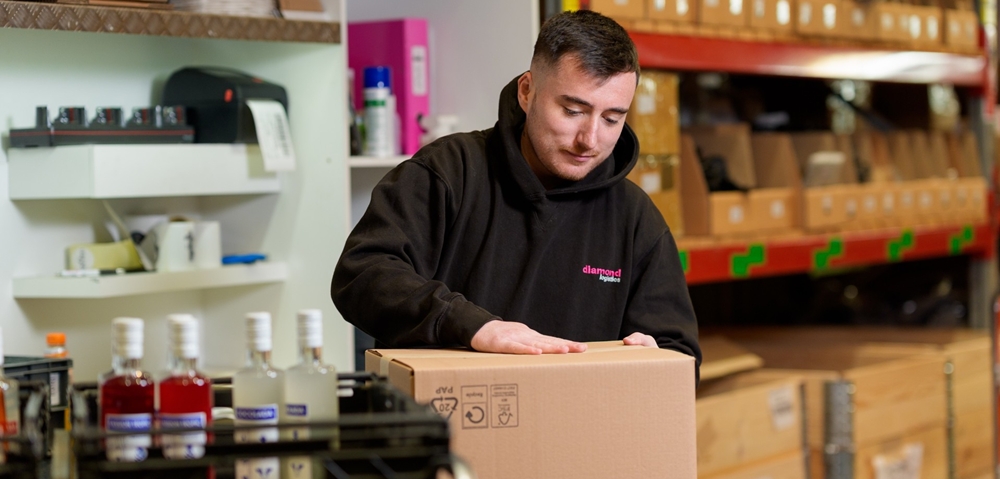
Fulfilment and delivery specialist Diamond Logistics is warning e-commerce brands that the real winners of the 2026 FIFA World Cup retail boom will not necessarily be those with the biggest marketing budgets — but those with the operational capacity to fulfil demand at scale.
With UK fulfilment networks forecasting a 15–25% uplift in parcel volumes in the four weeks leading up to kick-off on 11 June, and some sites expecting spikes of more than 30%, the company says many SMEs risk missing out simply because their operations cannot cope.
According to industry forecasts, UK consumers are expected to spend up to £2.9 billion in the run-up to the tournament, with demand extending far beyond traditional football merchandise into categories including home entertainment, food and drink, garden living, electronics and themed gifting.
With many matches taking place late into the evening UK time due to the Americas-based tournament, Diamond says the World Cup is expected to create a pronounced “big night in” effect, driving highly reactive and time-sensitive purchasing behaviour as consumers prepare for matches at short notice.
Diamond Logistics, which operates a national network of more than 35 owner-managed fulfilment and same-day courier sites, says brands should treat the World Cup as a mid-year peak trading event similar to Black Friday or Christmas.
Supporting that operational flexibility is Diamond’s proprietary delivery management platform, Despatchlab, which the company describes as its “striker” during major trading spikes — dynamically routing consignments across multiple carriers and fulfilment sites to keep deliveries moving when pressure is at its highest.
Kate Lester, CEO and Founder of Diamond Logistics, said: “The World Cup creates a unique trading window because consumer demand becomes highly emotional, reactive and time-sensitive. Brands can see huge spikes almost overnight depending on fixtures and results.
“But a surge in demand only matters if you can actually fulfil it. What catches many online sellers out is that operational weaknesses are exposed very quickly under pressure — whether that’s stock management, warehousing, picking, packing or final-mile delivery.
“A 200% increase in orders you can’t ship is worse than a 50% increase you can.
“That’s why having the right operational infrastructure matters so much. Despatchlab effectively becomes our striker during periods like this — making fast decisions in real time, switching play where needed and helping customers scale quickly without losing control of service.”
Diamond expects strong demand across TVs, sound systems, BBQs, outdoor entertaining products, drinks, snacks and fan merchandise, with same-day delivery likely to over-index as consumers increasingly expect purchases within hours rather than days.
The company also expects pressure on returns and reverse logistics to rise sharply, particularly across apparel and electronics categories.
With 55% of UK fans expected to watch matches from home, Diamond says the tournament will create a major “big night in” retail effect, particularly if England progresses beyond the group stages.
Kate added: “The biggest risk during a tournament window isn’t running out of marketing budget — it’s running out of operational capacity which will truly be an own goal.
“The brands that perform best will be those that secure fulfilment capacity early, diversify carrier networks and build flexibility into their operations before demand spikes arrive.
“Treat the World Cup like Black Friday — not in terms of discounting, but in terms of operational discipline.”
Diamond Logistics is advising SMEs to ensure they are match fit by finalising fulfilment partnerships, carrier strategies and stock planning within the coming weeks to avoid bottlenecks during the tournament period.