
Businesses Need Clear & Consistent Policies
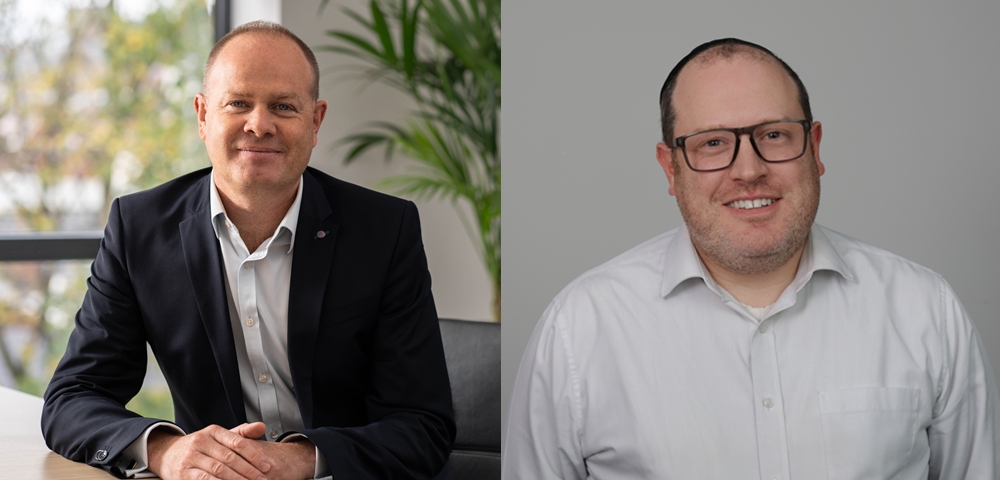
Steven Mason, an insolvency practitioner and senior manager at Inquesta, says:
“Many UK businesses would expect a government led by Andy Burnham to focus on creating a stable and growth-oriented economy while continuing to invest in regional development and infrastructure.
Throughout his political career, Burnham has argued that giving more decision-making powers to local and regional authorities would enable them to respond more effectively to the specific needs of businesses in their areas. This includes greater control over transport, skills training and economic development, which could help improve productivity and encourage investment across the country.
Business groups such as the British Chambers of Commerce and the Confederation of British Industry would generally be in favour of Burnham’s emphasis on regional growth.
However, they have also highlighted the importance of providing businesses with clear and consistent policies, and avoiding placing unnecessary financial or regulatory burdens on businesses.
During his time as Mayor of Greater Manchester, Burnham oversaw the development of an industrial strategy that focused on supporting local businesses through initiatives such as the Business Growth Hub.
Research suggests that investment in transport infrastructure, skills development and innovation can strengthen regional economies and make businesses more competitive.
Burnham has said he wants to revive Britain’s high streets by reforming the business rates system. Businesses will likely support his aim to revive Britain’s high streets by reinvigorating and supporting retail and hospitality businesses rather than placing additional burdens on them.
Overall, the business community would welcome a Burnham premiership that balances ambitious plans for devolution with stable regulation and strong partnerships with the private sector.
Achieving this balance would be essential for creating the confidence businesses need to invest, expand and contribute to long-term economic growth across the UK.”
Inquesta is an insolvency and corporate recovery practice which operates nationwide and has its head office in Radcliffe, Greater Manchester.
Burnham Urged To Provide ‘A Steadying Hand’
Adrian Young, tax partner at accounting and business advisory firm HURST, says:
“As recent mayor for Greater Manchester and a true friend of the north west, should Andy Burnham’s elevation to the top job be a cause for regional celebration?
His intention to establish a second Prime Minister’s office in Manchester (No. 10 North) symbolises a welcome shift of political and economic power away from London. Surely that is something regional businesses can get behind.
But, beyond the headlines, local leaders will also want to understand more about Burnham’s fiscal plans, and how they will impact regional business performance.
Employers will be looking for a stability in tax policy which has been missing over the last decade from governments of all stripes.
While businesses understand the need to fund public services, they also want a tax system that encourages investment, rewards enterprise and provides certainty for future planning.
Above all, employers value predictability. Hikes to national insurance and national minimum wage levels have hit businesses hard in many sectors, including healthcare, hospitality, retail and leisure, all of which are big employers across the region.
Leaders will therefore be hoping Burnham lends a steadying hand, rather than trying too hard to stamp his mark by raising yet more taxes from already overburdened businesses.
A Burnham-led government could therefore win significant support by committing to a stable tax framework and setting out a plan for business taxation and employment costs that remains consistent during what is left of the current parliament.
Small and medium-sized enterprises will also want a voice. These businesses account for the majority of UK employers, and often face disproportionate administrative and financial burdens. Reducing compliance costs and retaining accessible reliefs would be welcomed by entrepreneurs across the patch.
But, overall, is this likely?
Interestingly, Burnham is on record as saying that the increase to national insurance contributions was the wrong move, and has advocated for a change – or at least a review of the impacts on business.
This is a hopeful sign given the consequences we have seen of the rate hikes, including reduced job creation and, at the extreme, business failures.
However, we need to bear in mind that such comments are easy to make on the outside and without the burden of juggling competing budgetary demands that come with the top job.
Whether he can deliver will very much depend on the facts as he finds them after his coronation.
Similarly, Burnham has publicly argued that business rates should be reduced or reformed.
He has suggested alternative local revenue sources, such as tourist levies, could help offset the cost.
Given the importance of retail, hospitality, and leisure sectors to job and wealth creation in the region, such a step would be seen positively.
Again, the challenge remains of delivering reform while trying to balance the books elsewhere.
Business rates are of longstanding concern and, for those affected, the current system is often viewed as outdated and unfair.
Reforming business rates, or replacing them with a new approach that reflects today’s economy, would be seen as a significant step.
Ultimately, businesses are unlikely to judge a Burnham premiership by the postcode of No.10 North, but by whether it delivers the certainty and stability that have been missing for much of the last decade.”
HURST specialises in advising three core client segments – owner-managed businesses, private equity-backed enterprises and UK subsidiaries of overseas parent companies. The Stockport-headquartered practice became part of the Dains Group earlier this year.