
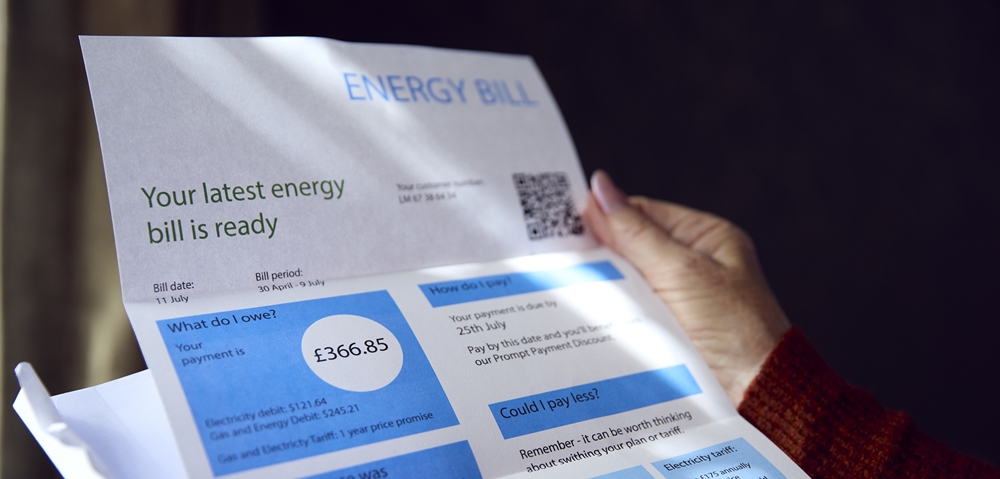
As the UK heatwave continues and increases demand on the nation’s electricity grid, businesses across the country are facing renewed questions around energy costs, security and sustainability.
With cooling costs rising and energy resilience becoming an increasing concern, many business owners are reconsidering their energy contracts. But does switching to a green energy tariff actually cost more?
The business energy experts at Utility Bidder have broken down the facts behind renewable business energy tariffs and revealed whether businesses are paying a premium to go green.
Madeleine Porter, Head of Marketing at Utility Bidder, explains:
“One of the biggest misconceptions we hear from business owners is that choosing a green energy tariff automatically means paying more. While that may have been true in some cases several years ago, the gap between renewable and standard tariffs has narrowed significantly, and in many cases businesses can access green tariffs at a similar price point to conventional energy contracts.
The reality is that the cost of any business energy contract is influenced by a range of factors, including wholesale market conditions, contract length, business size and energy usage patterns. Whether a tariff is green or not is often only one part of the equation.
With renewable generation now playing a much larger role in the UK’s energy mix, many suppliers are able to offer competitive green tariffs without the significant premiums businesses may expect. In some cases, businesses may even find that switching to a green tariff has little to no impact on their overall energy costs while helping them meet sustainability goals and demonstrate their environmental credentials to customers and stakeholders.
Rather than assuming a green tariff will be more expensive, businesses should compare quotes carefully and consider the overall value being offered. The right tariff will depend on the individual needs of the business, but for many organisations, renewable energy is now a far more accessible and affordable option than it was just a few years ago.”
Tips for Businesses Considering a Green Energy Tariff
Compare like-for-like quotes
Don’t assume a green tariff will be more expensive. Request both standard and renewable quotes when reviewing your contract so you can make a direct comparison.
Review your contract before renewal
Many businesses remain on contracts that no longer represent the best value. Reviewing your options before renewal can help identify savings opportunities, whether you’re looking at green tariffs or traditional contracts.
Look beyond the unit rate
Consider factors such as contract flexibility, supplier reputation, customer service and any sustainability reporting features that may be included as part of the tariff.
Understand your energy usage
Businesses with a clear understanding of when and how they use energy are often better positioned to find the most suitable and cost-effective tariff.
Think long-term
A green tariff can support wider business objectives, from sustainability commitments and procurement requirements through to customer expectations. Looking at the broader business benefits, rather than just the headline cost, can help inform a more strategic decision.