
Close Menu
  • News
  • Home
  • In Profile
  • Finance
  • Legal
  • Technology
  • Events
  • Features
  • Wellbeing & Mental Health
  • Marketing
  • HR & Recruitment
  • About
  • Advertise
  • Events Calendar
  • Business Wall
  • Subscribe
  • Contact
  • 0843 289 4634
X (Twitter) LinkedIn YouTube
Trending
  • Loo Of The Year Awards Announce New Industry Partnership To Recognise Washroom Suppliers
  • Trump v BBC: Why a Florida Court Will Likely Dismiss the $10 Billion Lawsuit – Lessons for SMEs
  • From Golden Years to Remote Careers – British Professionals Overtaking Retirees in Spain
  • How SME owners can make the most of tax allowances before the end of the financial year
  • Darlington named top British town to work for an SME
  • When Product Safety Fails: What SMEs Can Learn from Contamination Scares
  • Tips on how small businesses can meet their sustainability targets 
  •  CV Mistakes That Quietly Undermine Strong Applications
X (Twitter) LinkedIn YouTube
SME Today
  • About
  • Advertise
  • Events Calendar
  • Business Wall
  • Subscribe
  • Contact
  • 0843 289 4634
  • News
  • Home
  • In Profile
  • Finance
  • Legal
  • Technology
  • Events
  • Features
  • Wellbeing
  • Marketing
  • HR & Recruitment
SME Today
  • About
  • Advertise
  • Events Calendar
  • Business Wall
  • Subscribe
  • Contact
  • 0843 289 4634
  • Twitter
  • LinkedIn
  • YouTube
  • RSS
You are at:Home»Features»When Strategic Investment Gets Mistaken for Financial Failure: Why British Brands Deserve Better
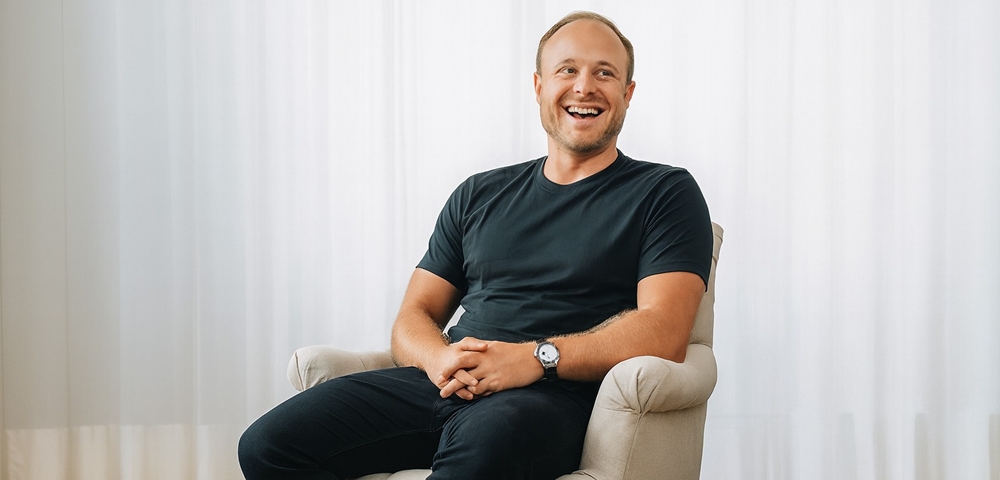
CEEK's CEO and Founder, Charlie Terry.

When Strategic Investment Gets Mistaken for Financial Failure: Why British Brands Deserve Better

0
Posted By sme-admin on February 16, 2026 Features, Finance

By Charlie Terry, Founder of CEEK Marketing

When Grace Beverley’s activewear brand TALA reported revenue growth of 19% to £19.8m alongside an operating loss of £2.6m, the headlines were predictable. Losses widened. Profitability delayed. Expansion questioned.

Yet this framing reveals something deeper about how we discuss modern brand-building in Britain and it risks undermining the very businesses capable of defining our next generation of consumer brands.

The problem with headline “losses”

The conversation around TALA exemplifies a growing issue in UK business coverage. Venture-backed brands, particularly those that are founder or creator led are increasingly judged through a narrow profit and loss lens that misunderstands how modern consumer businesses scale.

What is often presented as financial distress is calculated capital deployment. Investing in market share, infrastructure and long-term brand equity rather than extracting short-term profit. This distinction matters. When losses are reported without context, they distort how scale-ups are evaluated and how ambition is perceived.

What the numbers actually say

Look beyond the headline and the picture changes. TALA maintained a 58% gross margin while completing a £5m Series B funding round. The business opened flagship stores in Carnaby Street and Westfield London, expanded wholesale partnerships with retailers such as Anthropologie and END., and navigated the growing complexity of US tariffs.

These are not the decisions of a failing business. They are the decisions of a business making deliberate choices about where and when to invest.

Yet media narratives too often default to treating “losses” as problems in isolation, rather than asking the more meaningful question: what is this business building, and why now?

A digital marketing lens on growth-stage finance

From a digital marketing perspective, the signals are clear. TALA is converting brand awareness into infrastructure.

Physical retail creates high-impact offline touchpoints that deepen customer relationships, improve conversion and reduce long-term customer acquisition costs. Wholesale partnerships extend distribution and credibility beyond owned channels; Drapers reports that TALA’s wholesale revenues grew eightfold year-on-year.

Even the much-scrutinised US expansion, despite tariff headwinds, placed the brand within the world’s largest activewear market. At TALA’s current scale, even modest percentage growth represents meaningful revenue. This is textbook market-share capture strategy, not financial mismanagement.

Why founder-led brands face a harsher test

A striking double standard emerges when founder-led brands are compared with traditional corporates.

Gymshark, now valued at over £1bn, experienced several consecutive years of declining profits while revenues climbed past £600m. Founder Ben Francis was explicit that this was strategic reinvestment into omnichannel retail, digital infrastructure and US expansion. The press largely framed this as sensible long-term thinking.

Founder-led brands like TALA, by contrast, are often treated as anomalies. When a creator becomes a founder, there is an implicit expectation that the business should bootstrap indefinitely and deliver immediate profitability. Traditional growth playbooks, raise capital, expand aggressively, build infrastructure, then optimise margins, are somehow deemed inappropriate for brands born on Instagram.

This distinction is commercially illogical and strategically short-sighted.

Why this matters now

The timing of this is critical. UK venture capital deal volumes reportedly fell by around 13% in 2025, with overall funding declining by approximately 17%. Against this backdrop, British brands face a narrowing window to establish defensible market positions before international competitors with deeper pockets and longer time horizons pull further ahead.

Grace Beverley’s transparent response to the coverage around TALA’s financials has opened a necessary conversation about how modern brand-building is judged. The business is growing revenue, maintaining healthy margins, securing institutional backing, expanding distribution and investing in long-term infrastructure. That these decisions generate operating losses during a growth phase is neither surprising nor concerning – it is strategic.

Rethinking how we judge modern brands

Perhaps it is time for British business media to adopt more sophisticated frameworks for evaluating consumer scale-ups. Not every business needs to be immediately profitable. Not every loss signal failure. Sometimes strategic investment requires patience, long-term thinking and the courage to build something substantial rather than extracting what is immediately available.

As we head into 2026, founder-led British brands face enough genuine challenges, from tariffs to macroeconomic pressure, without legitimate growth strategies being mischaracterised as financial distress. If we want Britain to produce globally competitive consumer brands, we must recognise that building them takes capital, time and strategic boldness.

The alternative is a generation of under-capitalised, under-ambitious businesses that play it safe and ultimately lose to those that didn’t.

Share. Facebook Twitter Pinterest LinkedIn Tumblr Email

Related Posts

Trump v BBC: Why a Florida Court Will Likely Dismiss the $10 Billion Lawsuit – Lessons for SMEs

How SME owners can make the most of tax allowances before the end of the financial year

 CV Mistakes That Quietly Undermine Strong Applications

Comments are closed.

Follow SME Today on Linkedin and share all the topics you find interesting
ISO/IEC 27001 roadmap: A practical guide for UK SMEs
Mastermind9
Events Calendar
    • Marketing
    March 24, 2026

    Common mistakes to avoid if you want to make money as a content creator

    March 3, 2026

    Cold outreach remains one of the most debated topics in B2B sales and marketing. 

    • Finance
    April 1, 2026

    How SME owners can make the most of tax allowances before the end of the financial year

    March 27, 2026

    Making Tax Digital: How Income Tax Self-Assessment is Changing for Landlords

    • People
    March 24, 2026

    The Fd Consultant Celebrates Four Award Shortlists Across Two Business Awards

    March 24, 2026

    Communication Expert Takes On President Role For National Speaking Association

    • Health & Safety
    March 16, 2026

    Health & Safety Trends To Look Out For In 2026

    December 22, 2025

    Businesses Step Up Their Washroom Standards As Loo Of The Year Figures Reveal Big Changes

    • Events
    February 18, 2026

    Former Special Forces Soldier & Team GB Athlete Ben Gallagher to Speak at Thames Valley Business & Community Awards

    February 9, 2026

    South West Business & Community Awards 2026 Announce Shortlisted Nominees

    • Community
    March 3, 2026

    Westspring CEO Invited to Bristol IWD

    February 26, 2026

    Family Wise Celebrates 14 Years of Growth, Global Reach and Community Impact

    • Food & Drink
    March 30, 2026

    When Product Safety Fails: What SMEs Can Learn from Contamination Scares

    February 26, 2026

    Kids Travelling By Train Can Now Enjoy Allergen-Free Snacks Thanks To Creative Nature

    • Books
    January 21, 2026

    The CEO Mirage: Exposing the hidden traps that take smart leaders down

    December 23, 2025

    Communication Expert Celebrates Book Launch At Oxford’s Saïd Business School

    The Newsletter

    Join our mailing list for the best SME stories, handpicked and delivered direct to your inbox every two weeks!

    Sign Up
    About

    SME Today is published by the same team who deliver The Great British Expos’. We have been organising various corporate events for the last 10 years, with a strong track record of producing well managed and attended business events across the UK.

    Join Our Mailing List

    Receive the latest news and updates from SMEToday.
    Read our Latest Newsletter:


    Sign Up
    X (Twitter) YouTube LinkedIn
    Categories
    • Books
    • Community & Charity
    • Education and Training
    • Environment
    • Events
    • Features
    • Finance
    • Food and Drink
    • Health & Safety
    • HR & Recruitment
    • In Profile
    • Legal
    • Marketing
    • News
    • People
    • Property & Development
    • Sponsored Content
    • Technology
    • Transport, Travel & Tourism
    • Wellbeing & Mental Health
    • ABOUT SME TODAY: THE GO TO RESOURCE FOR UK BUSINESSES
    • Editorial Submission Guidelines
    • Privacy
    • Contact
    Copyright © 2025 SME Today.
    • ABOUT SME TODAY: THE GO TO RESOURCE FOR UK BUSINESSES
    • Editorial Submission Guidelines
    • Privacy
    • Contact

    Type above and press Enter to search. Press Esc to cancel.