
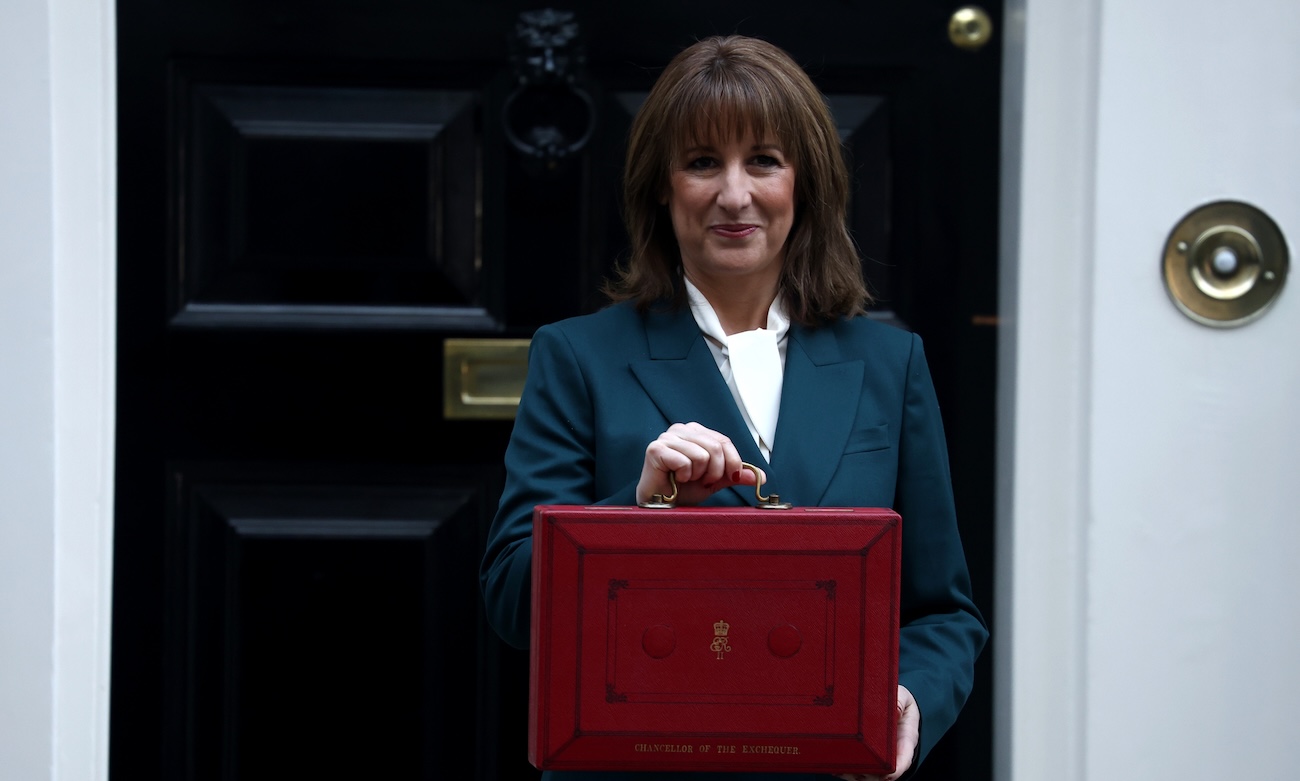
Rachel Reeves’ Autumn Budget was billed as a Budget for stability, discipline and long-term growth. Against a backdrop of high inflation, strained public finances and subdued business confidence, expectations across the SME community were high. Small and mid-sized firms — responsible for 99.9% of UK businesses — were looking for bold, targeted support to ease rising operating costs, unlock investment and stimulate hiring.
Instead, what emerged was a Budget defined less by sweeping reform and more by incremental adjustments, selective reliefs and a clear reliance on fiscal drag. While households saw help on fuel duty and rail fares, the underlying picture for SMEs remains one of tightening tax conditions and rising employment costs. Here’s what matters most — and what business leaders think.
Skills: A Rare Bright Spot
One of the few measures to win universal praise is the decision to make under-25 apprenticeships free for SMEs. For firms struggling to recruit and train talent, this is a practical step forward. Neil Rudge, Chief Banking Officer for Commercial at Shawbrook, calls it “a tangible investment in the future workforce,” noting that nearly a quarter of mid-sized firms cite hiring and training as a critical challenge. Aaron Asadi, CEO of Enterprise Nation, agrees: “Funding for under-25 apprenticeship training is one of the few measures that will help small firms build capacity.”
The redesigned Growth and Skills Levy, due in 2026, also signals intent to close gaps in engineering, construction and digital skills. But as many commentators point out, execution will be key — and skills alone won’t offset the cost pressures elsewhere in the Budget.
Employment Costs: The Squeeze Tightens
From April 2026, the National Living Wage will rise to £12.71 per hour, with Real Living Wage benchmarks climbing even higher. For millions of workers, this is welcome news. For SMEs, it means higher payroll costs — compounded by the freeze on National Insurance thresholds until 2031. Kate Moon, Tax Director at Jerroms, warns: “The threshold freeze is not good news for small businesses when combined with the minimum wage increase.”
Phil Coxon, Managing Director at Breathe HR, adds another layer of concern: “New Employment Rights will further increase compliance costs, with 63% of SME leaders saying they’ll be disproportionately affected.” For many employers, these changes will require a rethink of pay structures and workforce planning.
Tax Changes: Higher Bills Ahead
The Budget introduces a series of tax hikes that will hit business owners directly. From April 2026, dividend tax rates rise by two percentage points — to 10.75% for basic-rate taxpayers and 35.75% for higher-rate taxpayers. Nick Wright, Head of Tax at Jerroms Miller Specialist Tax, says: “Hundreds of thousands of directors will see higher annual tax bills.”
Property income tax and savings income will also increase by two points from April 2027, adding pressure on landlords and investors. Jamie Ellis, Independent Financial Adviser at Jerroms Financial Planning, calls it “yet another squeeze on landlords and investors,” warning that these measures reduce net returns and push savers toward riskier assets. Ellis also points to ISA reforms from April 2027: “The total £20,000 allowance remains, but only £12,000 can go into a cash ISA… Holding too much cash for too long leaves savers exposed to inflation.”
Salary Sacrifice and Pensions
From April 2029, salary sacrifice above £2,000 will attract NICs for both employers and employees — a move Ellis describes as “a clear revenue-raising measure rather than a simplification.” For SMEs, this adds cost and complexity to workforce planning.
One bright spot: the Chancellor retained salary sacrifice for electric vehicles. Thom Groot, CEO of The Electric Car Scheme, says this will accelerate EV adoption: “Salary sacrifice schemes have already helped 680,000 drivers make the switch to EVs… It’s fundamentally reshaping how ordinary working families access clean and affordable transport.” Groot adds that extending salary sacrifice to solar panels and heat pumps would have been a logical next step to help households tackle energy costs.
Investment and Ownership
Capital Gains Tax relief for sales to Employee Ownership Trusts drops from 100% to 50%, a change Wright calls “a huge blow” that will deter succession planning. On the other hand, Venture Capital Trust (VCT) rule reforms drew praise. Jamie Roberts, Managing Partner at YFM Equity Partners, calls the shift “a game changer,” allowing investors to back more established businesses for longer and supporting regional growth. Roberts warns, however, that the UK’s competitive edge cannot be taken for granted: “What matters now is a policy environment that gives growing companies the confidence to invest, hire and innovate.”
Other Measures SMEs Can’t Ignore
- Fuel Duty: The 5p cut is extended until September 2026, offering temporary relief for logistics-heavy firms. Matthew Allen, Lecturer in Economics at the University of Salford, notes: “It avoids an immediate jump in fuel costs and helps stabilise transport expenses… but it’s still temporary.”
- Business Rates: Permanent cuts for retail, hospitality and leisure properties under £500,000, plus transitional relief for small firms. Aaron Asadi, Enterprise Nation, welcomes this but warns: “Behind the business rates headlines, this is still a high-tax, low-growth Budget for small firms.”
- Corporation Tax & Investment Incentives: Corporation Tax stays at 25%, but permanent full expensing and the £1m Annual Investment Allowance remain — a boost for manufacturers and engineering firms. A new 40% First Year Allowance for main-rate assets encourages productivity investment.
- Digital & Compliance: Mandatory e-invoicing for VAT-registered businesses confirmed for 2027; HMRC to deploy 350 criminal investigators to tackle small business tax evasion.
- Green Transition: £2bn EV support package, extended Electric Car Grant, and 10-year business rates relief for EV-only forecourts and chargepoints.
The Verdict
For many SME leaders, the Budget feels like one step forward, two steps back. Derek Ryan, UK Managing Director at Bibby Financial Services, sums up the mood: “Today’s silence on specific SME support is hugely disappointing… The absence of meaningful and targeted measures will further hold back capital expenditure.” With 44% of SMEs delaying investment decisions until after the Budget, the lack of bold action risks prolonging uncertainty.
As Jamie Roberts YFM Equity Partners reminds us: “The UK remains one of the strongest environments in the world to start and grow a business — but that competitive edge cannot be taken for granted.”
What Now for SMEs?
The message is clear: plan ahead. Review dividend strategies before April 2026, model payroll impacts of wage hikes and frozen thresholds, reassess succession plans in light of reduced EOT relief, and explore apprenticeships to leverage free training. For investors and savers, diversification will be key as ISA and property tax reforms take effect. And for growth-focused firms, now is the time to explore capital allowances and British Business Bank funding to stay competitive.