
Close Menu
  • News
  • Home
  • In Profile
  • Finance
  • Legal
  • Technology
  • Events
  • Features
  • Wellbeing & Mental Health
  • Marketing
  • HR & Recruitment
  • About
  • Advertise
  • Events Calendar
  • Business Wall
  • Subscribe
  • Contact
  • 0843 289 4634
X (Twitter) LinkedIn YouTube
Trending
  • Face-to-Face Banking Still Matters to Millions
  • Not Every Dog Is an Office Dog
  • First-of-its-kind census reveals mission-led businesses are growing faster than the wider UK business population
  • New Accountancy Practice Helps SMEs Turn Financial Clarity into Business Growth
  • Next generation of Lionesses at risk, as girls’ grassroots football chronically underfunded
  • Don’t pay the ransom: Warning to organisations to protect themselves from ransomware attacks as more than 320 businesses affected last year
  • You’ve been using Excel wrong this whole time
  • A Champion of Business, Networking and People
X (Twitter) LinkedIn YouTube
SME Today
  • About
  • Advertise
  • Events Calendar
  • Business Wall
  • Subscribe
  • Contact
  • 0843 289 4634
  • News
  • Home
  • In Profile
  • Finance
  • Legal
  • Technology
  • Events
  • Features
  • Wellbeing
  • Marketing
  • HR & Recruitment
  • Travel
SME Today
  • About
  • Advertise
  • Events Calendar
  • Business Wall
  • Subscribe
  • Contact
  • 0843 289 4634
  • Twitter
  • LinkedIn
  • YouTube
  • RSS
You are at:Home»Features»Meeting Overload: A symptom of a bigger problem?

Meeting Overload: A symptom of a bigger problem?

0
Posted By sme-admin on September 12, 2025 Features

By Claire Hughes, HR Business Partner at Totalmobile

Claire Hughes, HR Business Partner at Totalmobile
Author: Claire Hughes, HR Business Partner at Totalmobile

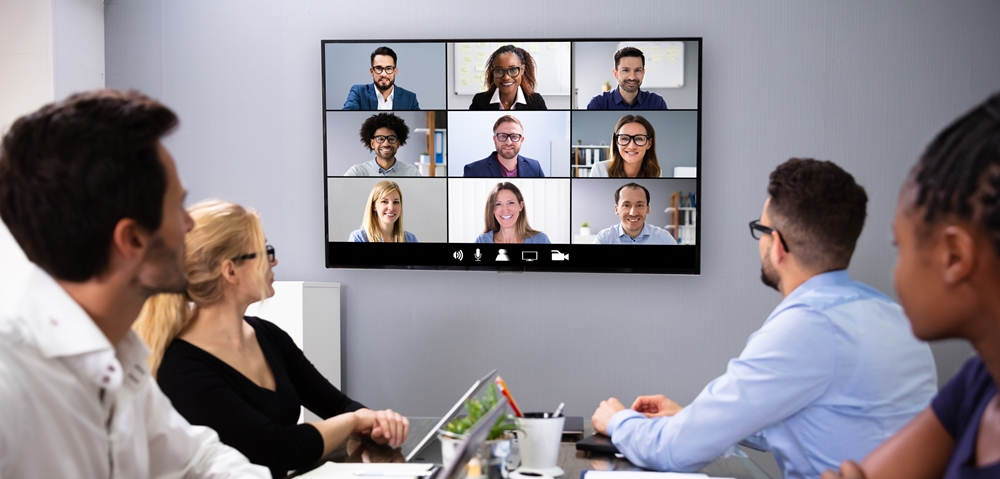
Recent research shows that one in ten UK workers spends more than 15 hours each week in meetings. In reality, the true figure is likely much higher. Since COVID, virtual meetings have exploded, and many people now spend their working days moving from one call to the next. Diaries are full, leaving little room for deep focus work. It simply means they are busier, but are we really more productive?

More than lost time

The impact of meeting overload goes well beyond wasted hours. It can sap energy, reduce morale, and stifle innovation. When every decision requires another meeting, it could highlight a deeper problem: a lack of clarity over decision-making and trust.

Meetings should be for collaboration, not control. Yet too often they become an exercise in seeking permission, attending for information or “just in case”, looking busy or even meetings to decide on further meetings. This erodes energy as well as company culture.

For juniors, it’s hard to break in; they can’t always get time with seniors, and may not feel confident asking for people’s time. For leaders, diaries become so packed there’s little room left for thinking. Both ends of the scale lose out.

The impact on wellbeing, engagement and productivity is massive. Endless video calls mean hours at a desk with little chance to recharge or carry out other tasks. The to-do list gets longer after every meeting. Burnout creeps in. Job satisfaction declines. Even the highest performers struggle when meetings consistently dominate their day. And when people go from one meeting to the next without time to prepare, they lose inspiration and can feel that they are not achieving. Microsoft’s research shows most of us have two natural peaks of performance each day, but one is typically wiped out by meetings.

Changing culture, not just calendars

Fixing meeting overload isn’t just about better diary management; it’s about shifting culture.

If we hire capable people, clearly define the outcomes expected, and trust them to deliver, the need for constant meetings will then naturally decrease. People need clear direction and to be empowered with decision-making authority.

Practical steps can help too. For instance:

  • Audit the meetings already in place and cut those with no clear purpose.
  • Set basic standards: every meeting should have an agenda, shared information, clear actions and accountability.
  • Keep meetings short and focused: don’t default to filling a full hour when 15 minutes would do. Go for 25/55 mins rather than 30/60 mins.
  • Role model from the top: decline unnecessary or unclear invitations, delegate decisions, and show that it is acceptable to say no or respectfully interject when a subject diverges or someone dominates/derails the meeting.
  • Respect different time zones and personal boundaries. Avoid defaulting to late-night calls and utilise the delay email function when sending emails across different time zones.
  • Make use of AI tools to capture notes and summarise actions, so employees can focus on the discussion itself.
  • Empower people to make decisions and provide clarity via a decision-making authority matrix.

I’ve  witnessed companies experiment with “no-meeting Fridays.” In reality, the pressure often leads to meetings piling up Monday to Thursday or worse, those slots being filled again. The principle is right: leaders must take responsibility for setting boundaries and respecting people’s time and commitments, but the reality is that we need to address the root cause. Why do we need so many meetings in the first place?

Finding the right balance

There is no one-size-fits-all solution. A strict rule, such as two meetings per day, may sound attractive, but in practice, that’s unlikely to be effective. People need to be empowered to find the right balance for themselves; different teams require different rhythms. What matters is clarity, respect, and a culture that allows people to push back and empowers them to use their own judgment when it comes to their dairies.

Time for change

The cost of meeting overload is not just financial. It’s cultural. Tech companies and fast-moving organisations in particular rely on innovation and creativity, yet these are the very qualities most at risk when people spend their days in back-to-back meetings.

Reducing meeting overload is about more than saving time. It is about building workplaces based on trust and autonomy. When meetings are used with purpose – to connect, collaborate and decide – they become a tool for connection rather than control. That’s how we’ll build resilient, people-first cultures that keep talent inspired and engaged.


Share. Facebook Twitter Pinterest LinkedIn Tumblr Email

Related Posts

Not Every Dog Is an Office Dog

Are Businesses Paying More to Go Green? Energy Experts Weigh In

50:50 Deadlock: The Warning Signs of Shareholder Dispute and What to Do About It

Comments are closed.

Follow SME Today on Linkedin and share all the topics you find interesting
Porsch Reading – Find Your Perfect Business Partner
Mastermind9
Events Calendar
    November 26, 2026 10:00 am

    South West Expo Swindon

    October 14, 2026 10:00 am

    Thames Valley Expo Reading

  • Marketing
June 25, 2026

How Brands Can Rank in AI Search Without Buying Ads

June 23, 2026

How To Market A Restaurant

  • Finance
July 10, 2026

Face-to-Face Banking Still Matters to Millions

July 9, 2026

New Accountancy Practice Helps SMEs Turn Financial Clarity into Business Growth

  • People
July 8, 2026

A Champion of Business, Networking and People

June 20, 2026

It’s Award Season For The Fd Consultant!

  • Health & Safety
June 29, 2026

Health & safety violations costing British firms £44m annually

March 16, 2026

Health & Safety Trends To Look Out For In 2026

  • Events
June 29, 2026

Great British Expos Postpones South West Expo Due to Extreme Heat Forecast

June 16, 2026

Why Every SME Needs an AI Strategy — Not Just AI Tools

  • Community
June 19, 2026

Founders charity dinner set to raise funds for epilepsy care

June 17, 2026

Award-Winning Charity Launches New Initiative To Connect Local Organisations

  • Food & Drink
June 23, 2026

How To Market A Restaurant

June 23, 2026

From Corporate Comfort to Cultural Opportunity: The Bunta Beer Journey

  • Books
June 2, 2026

Build a Business So Good You’d Be Mad to Sell It

January 21, 2026

The CEO Mirage: Exposing the hidden traps that take smart leaders down

The Newsletter

Join our mailing list for the best SME stories, handpicked and delivered direct to your inbox every two weeks!

Sign Up
About

SME Today is published by the same team who deliver The Great British Expos’. We have been organising various corporate events for the last 10 years, with a strong track record of producing well managed and attended business events across the UK.

Join Our Mailing List

Receive the latest news and updates from SMEToday.
Read our Latest Newsletter:


Sign Up
X (Twitter) YouTube LinkedIn
Categories
  • Books
  • Business
  • Community & Charity
  • Education and Training
  • Environment
  • Events
  • Features
  • Finance
  • Food and Drink
  • Health & Safety
  • HR & Recruitment
  • In Profile
  • Legal
  • Marketing
  • News
  • People
  • Property & Development
  • Sponsored Content
  • Technology
  • Transport, Travel & Tourism
  • Wellbeing & Mental Health
Magazine Information
  • About SME Today
  • Editorial Submission Guidelines
  • Advertising
  • Privacy
  • Contact
Copyright © 2025 SME Today.
  • About SME Today
  • Editorial Submission Guidelines
  • Advertising
  • Privacy
  • Contact

Type above and press Enter to search. Press Esc to cancel.

Subscribe Now!

Sign up for a FREE subscription and receive the latest news, features and updates from SMEToday:

I am interested in:
 

Thank you for subscribing to SME Today! We're thrilled to have you join our community. To complete your subscription, please check your email and click on the confirmation link. If you don’t see the email in your inbox, be sure to check your spam or junk folder. We look forward to sharing exciting news, updates, and exclusive content with you!

Join our mailing list to receive the latest news and updates from SMEToday
Read our Latest Newsletter: